
Language

Product Search
Language
- English
- 简体中文
- Тоҷикӣ
- O'zbek
- Español
- Português
- русский
- Français
- 日本語
- Deutsch
- tiếng Việt
- Italiano
- Nederlands
- ภาษาไทย
- Polski
- 한국어
- Svenska
- magyar
- Malay
- বাংলা ভাষার
- Dansk
- हिन्दी
- Pilipino
- Türkçe
- Gaeilge
- العربية
- Indonesia
- Norsk
- تمل
- český
- ελληνικά
- український
- Javanese
- فارسی
- தமிழ்
- తెలుగు
- नेपाली
- Burmese
- български
- ລາວ
- Latine
- Қазақша
- Euskal
- Azərbaycan
- Slovenský jazyk
- Македонски
- Lietuvos
- Eesti Keel

Company News
Incredible India! A Brief Look at the Indian Elevator Market
2026-06-20Part 1 Incredible India – India’s Elevator Market
Second only to China, India has grown into the world’s second-largest market for elevators and escalators. New elevator installations in India are projected to hit 80,000 to 100,000 units in 2025–2026, accounting for over 9% of global total demand. Over the next decade, India’s elevator market will keep expanding at a compound annual growth rate (CAGR) of around 9.9%, with its market size expected to surpass USD 2.868 billion by 2030. Accelerated urbanization, ongoing metro network construction and the continuous expansion of commercial buildings jointly fuel steady growth in market demand.
In terms of product mix, passenger elevators take up an 85% market share, among which machine-room-less (MRL) elevators are the most widely adopted. Notably, driven by the growing number of villas and high-end apartments, the residential elevator segment is poised for explosive growth in 2026.
Backed by the Indian government’s Make in India initiative, local elevator manufacturers are shifting from imported assembly to indigenous design and production. Indian customers have also raised higher requirements for local after-sales service and technical support from traction machine suppliers. Against this backdrop, Nidec’s manufacturing campus in Orchard, India, was officially put into operation in November 2025. As one of India’s largest and most technologically advanced elevator production bases, this campus further consolidates Nidec’s local presence in India and sharpens its brand recognition. By upgrading both manufacturing and service capabilities simultaneously, it lays a solid foundation for our long-term deep cultivation in the Indian market.
With the continuous advancement of our localized layout, Nidec has strengthened its insights into real-time on-the-ground market dynamics in India. The Smart Lift and Mobility World India kicked off one week ahead of the Chinese Spring Festival, providing Nidec’s overseas sales team with an opportunity to conduct a two-week in-depth market research tour.
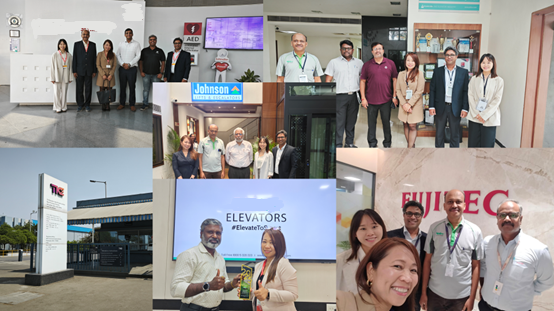
Figure 2: Nidec’s China and India teams paying visits to local customers
Part 2 Expanded and Upgraded Infrastructure Fuels Sustained Prosperity in the Elevator Market
India’s infrastructure development has driven the expansion in the number of airports and terminal scales. To date, India operates 159 airports, with roughly 20 more approved or under construction. Large new terminals require massive vertical transportation equipment, while existing airports are undergoing replacements for ageing elevators. This generates surging demand for high-efficiency, smart and energy-saving elevator and escalator systems, where overseas brands still hold a dominant market share.
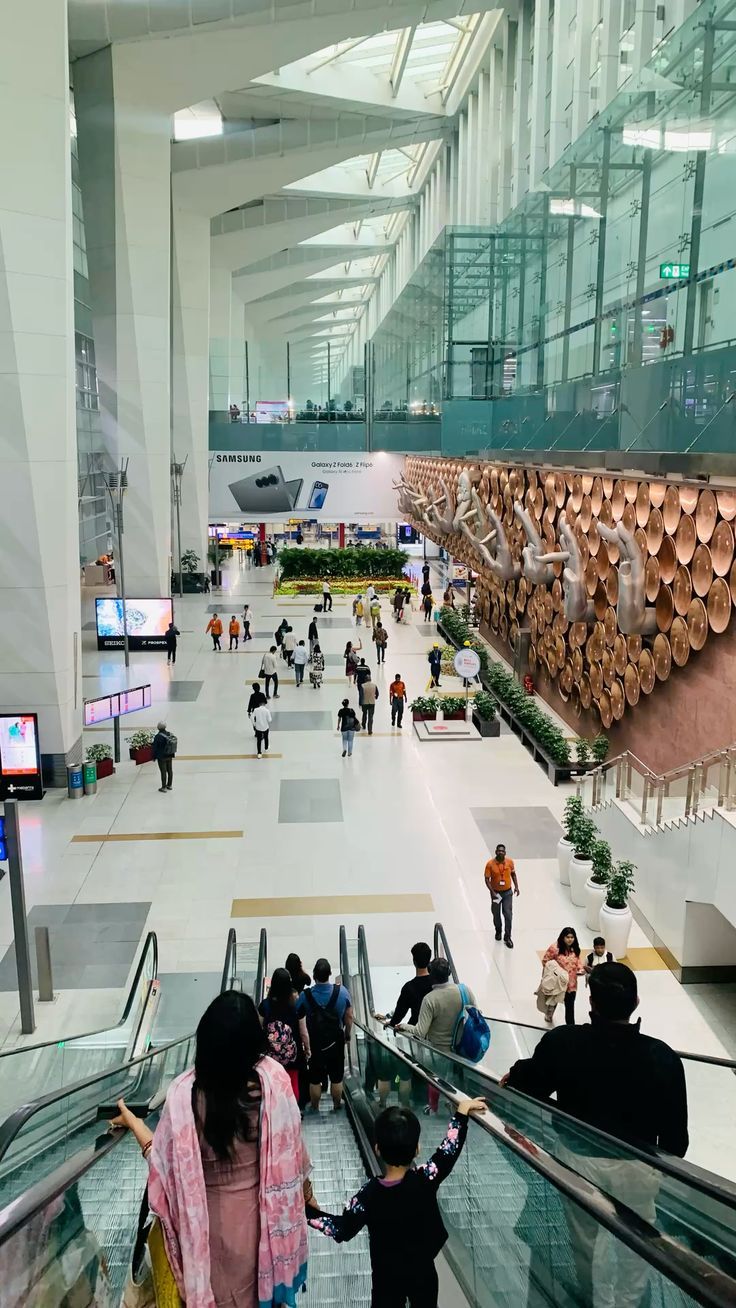
Figure 3: Escalators inside Indira Gandhi International Airport, the capital’s main aviation hub
Meanwhile, India’s railway network, a pillar of its national economy, is undergoing comprehensive modernization. Under government plans, around 1,300 railway stations across India are scheduled for renovation, and more than 180 stations have been upgraded from traditional platforms to modern ones. These revamped stations prioritize barrier-free vertical mobility with large-scale additions of elevators and escalators. The renovation project of New Delhi Railway Station, for example, plans to install over 80 elevators and 50 escalators in its proposed sky corridors and platform areas. The expansion of rail transit networks, ranging from Delhi Metro to high-speed and intercity rail hubs nationwide, creates huge market potential for highly reliable, high-throughput elevators.
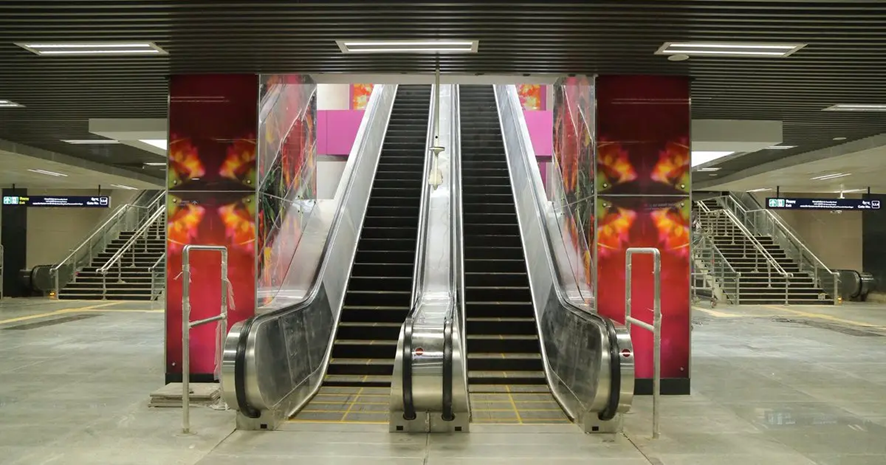
Figure 4: Delhi Metro, India’s iconic rapid transit system, spans 161 kilometres with 6 lines covering 135 stations, equipped with more than 4,000 elevators and escalators.
For high-frequency airport applications, our tailor-made WTY1 series has been developed exclusively for the Indian market. It achieves an energy efficiency ratio of 90% under low acceleration, boasts ample temperature rise margin, and is fitted with a drum brake for easy maintenance. Featuring superior maintainability, environmental adaptability and resistance to voltage fluctuations, it delivers a lower total life-cycle cost and is ideal for projects requiring long-term reliability and operating under harsh site conditions. Spurred by the Make in India policy, many local partners of Nidec have secured a larger share in Indian railway supply chains, and Nidec-designed traction machines are increasingly deployed in elevators at stations and platforms.
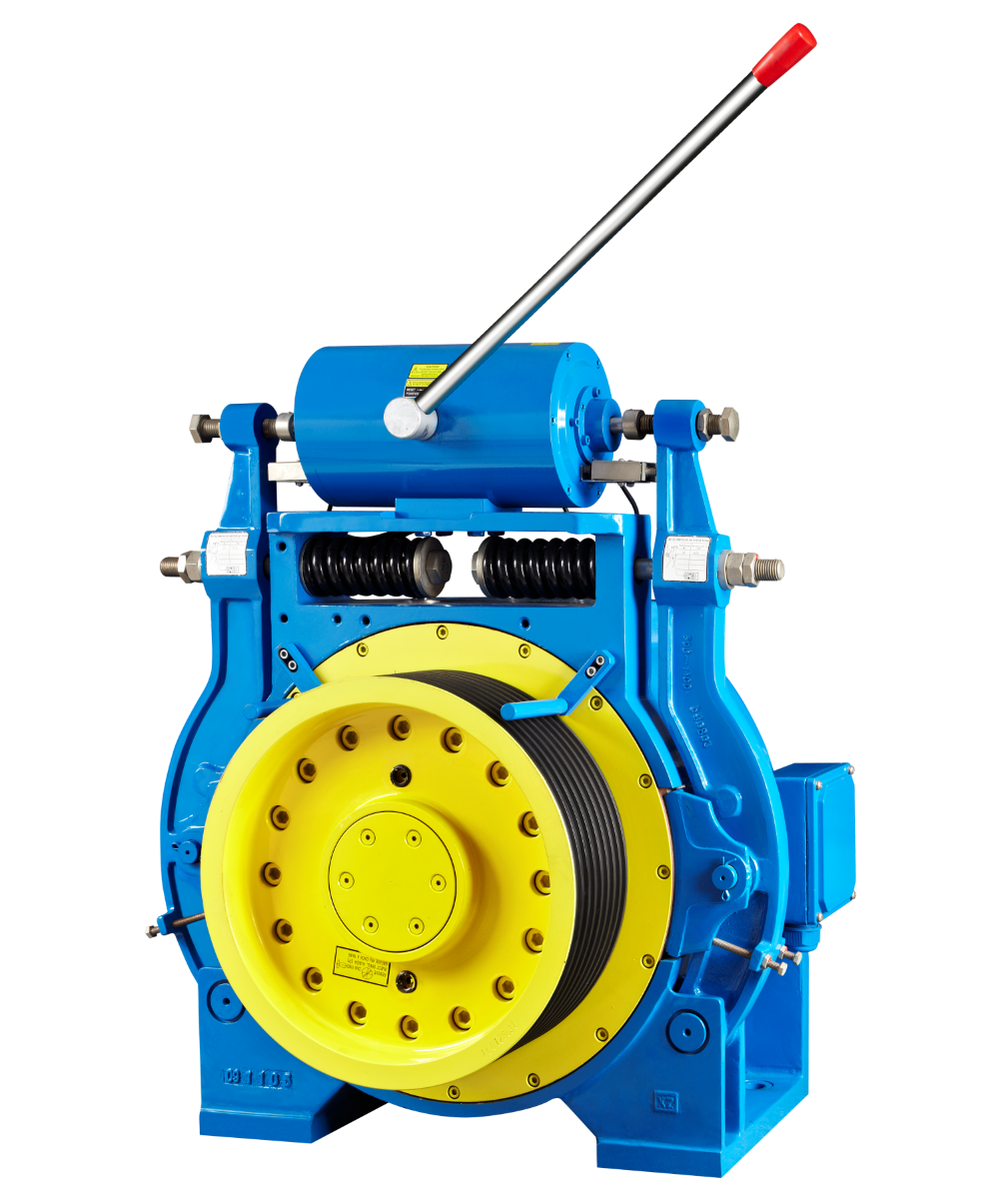
Figure 5: Nidec WTY1 Series Traction Machine
Part 3 Underrated Demand for Residential Elevators
Construction codes in many Indian regions impose no clear height limits on self-built houses. However, constrained by unstable power supply, high elevator maintenance costs and evacuation difficulties, most self-built homes are capped at ground floor plus 2 to 3 storeys (within 15 metres) to balance ventilation and safety. India’s population aged 60 and above has exceeded 100 million, leading to soaring demand for age-friendly residential buildings. Elevators have become essential for indoor mobility in multi-storey housing, gaining rapid popularity especially in private villas and townhouse communities.
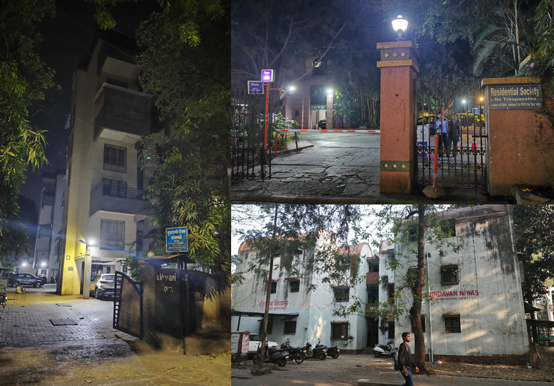
Figure 6: Local residential districts in India
Our WR-D series, particularly low-load traction machines, enjoy robust sales amid local market needs. Purpose-built for machine-room-less layouts, the WR-D series features a compact structure, narrow axial dimension and light weight. Its disc brake is directly mounted onto the motor end cover like a circular disc, delivering excellent heat dissipation and smooth operation. It works perfectly for MRL buildings or structures with low overhead clearance. Fewer components simplify installation, and developers save construction costs with no extra dedicated machine room floors required. This model has become a mainstream option for modern MRL elevators and those with small-to-medium machine rooms.
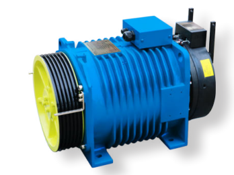
Figure 7: Nidec WR-D Series Traction Machine
Alongside the WR-D series, our WJC series has maintained strong sales in India for years, compatible with both machine-room and machine-room-less elevator setups. Local elevator manufacturers can use a single traction machine for both configurations, equipped with on-site hand cranking devices or remote brake releases separately, greatly easing their inventory pressure. In addition, its block brake adopts an integrated design of electromagnet and brake shoe, eliminating intermediate transmission parts such as brake arms and levers, and is directly mounted on brake windows on both sides of the traction machine. Compact in structure with reliable heat dissipation and stable braking performance, this block brake is well-suited for cost-sensitive projects, legacy elevator retrofits and geared elevator upgrades.
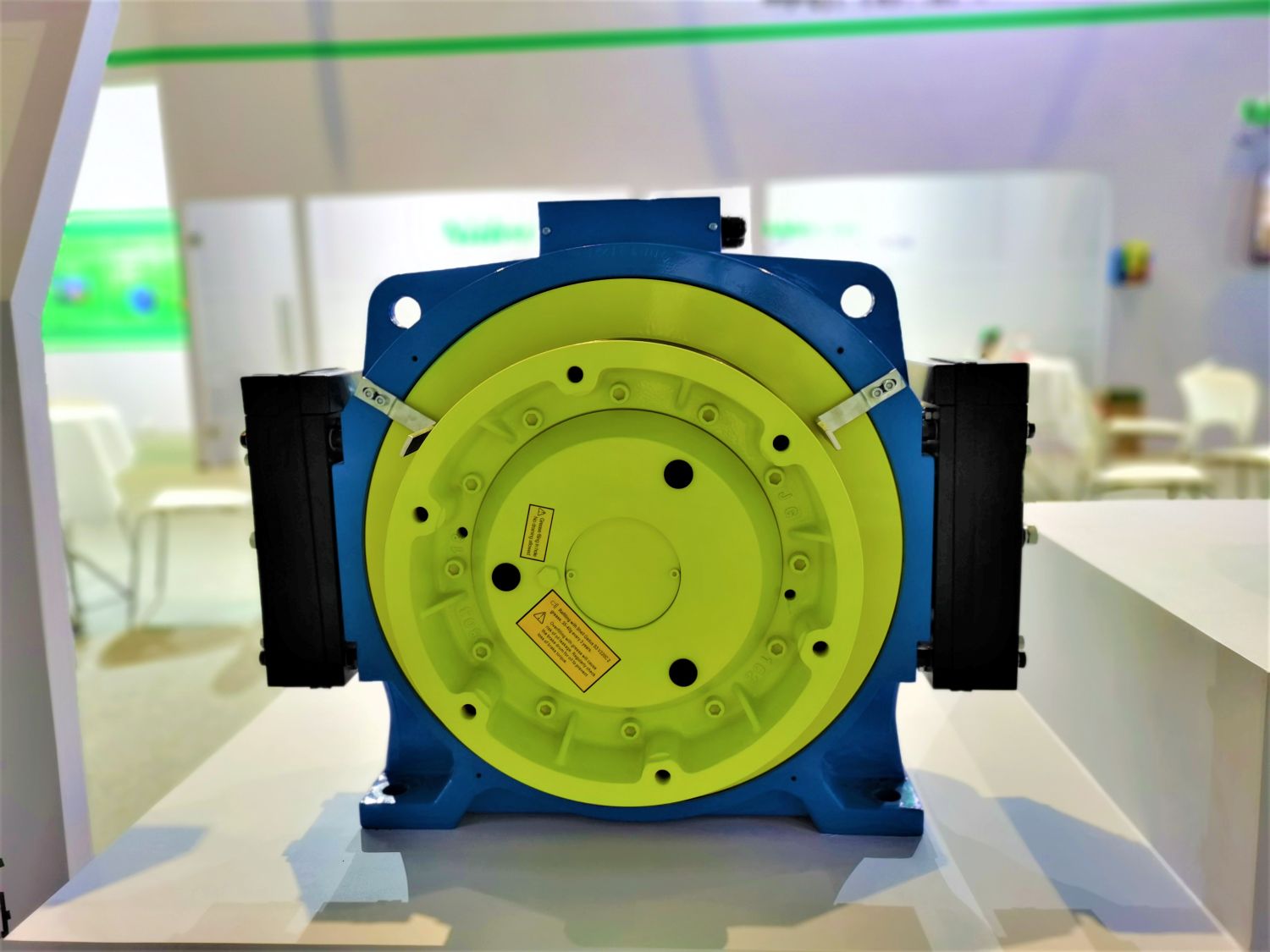
Figure 8: Nidec WJC Series Traction Machin
Part 4 Elevator Industry Exhibition in India
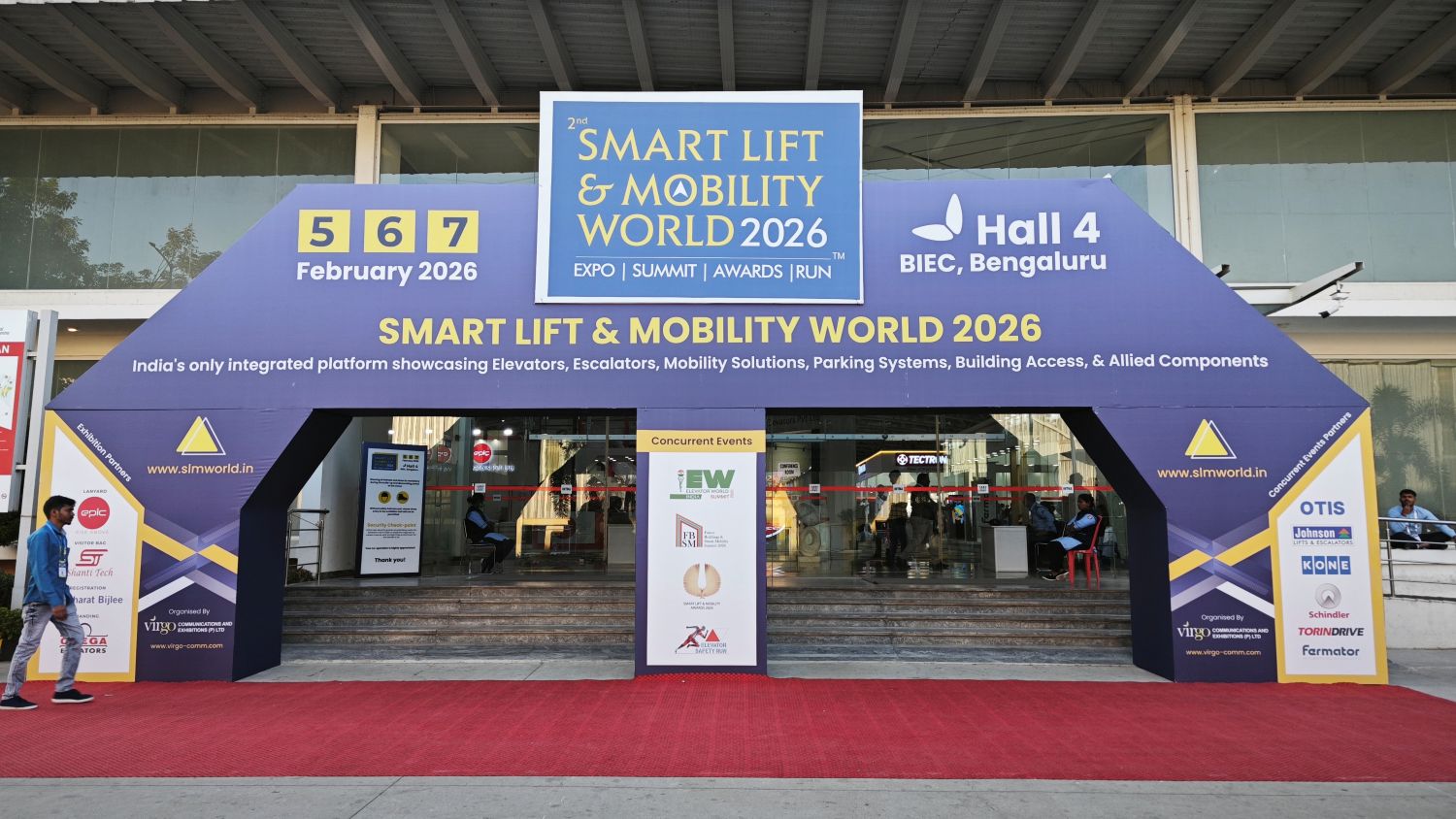
Figure 9: Exhibition venue of Smart Lift and Mobility World India 2026
Nearly all major local Indian elevator brands took part in this event, gathering core enterprises covering complete elevators as well as upstream and downstream industrial chains. Multiple Chinese component suppliers also showcased their products at the show.
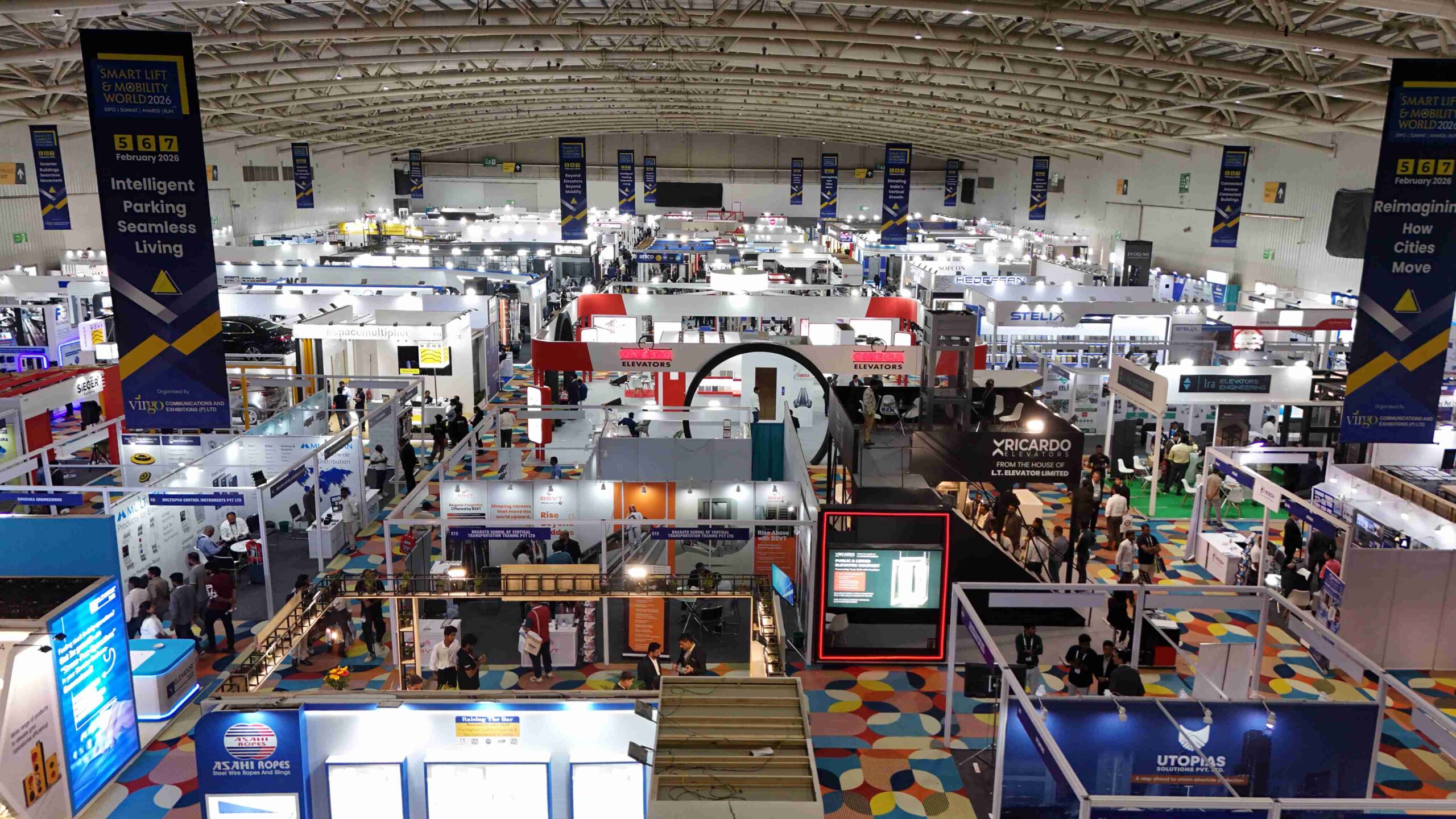
Figure 10: Exhibition venue of Smart Lift and Mobility World India 2026
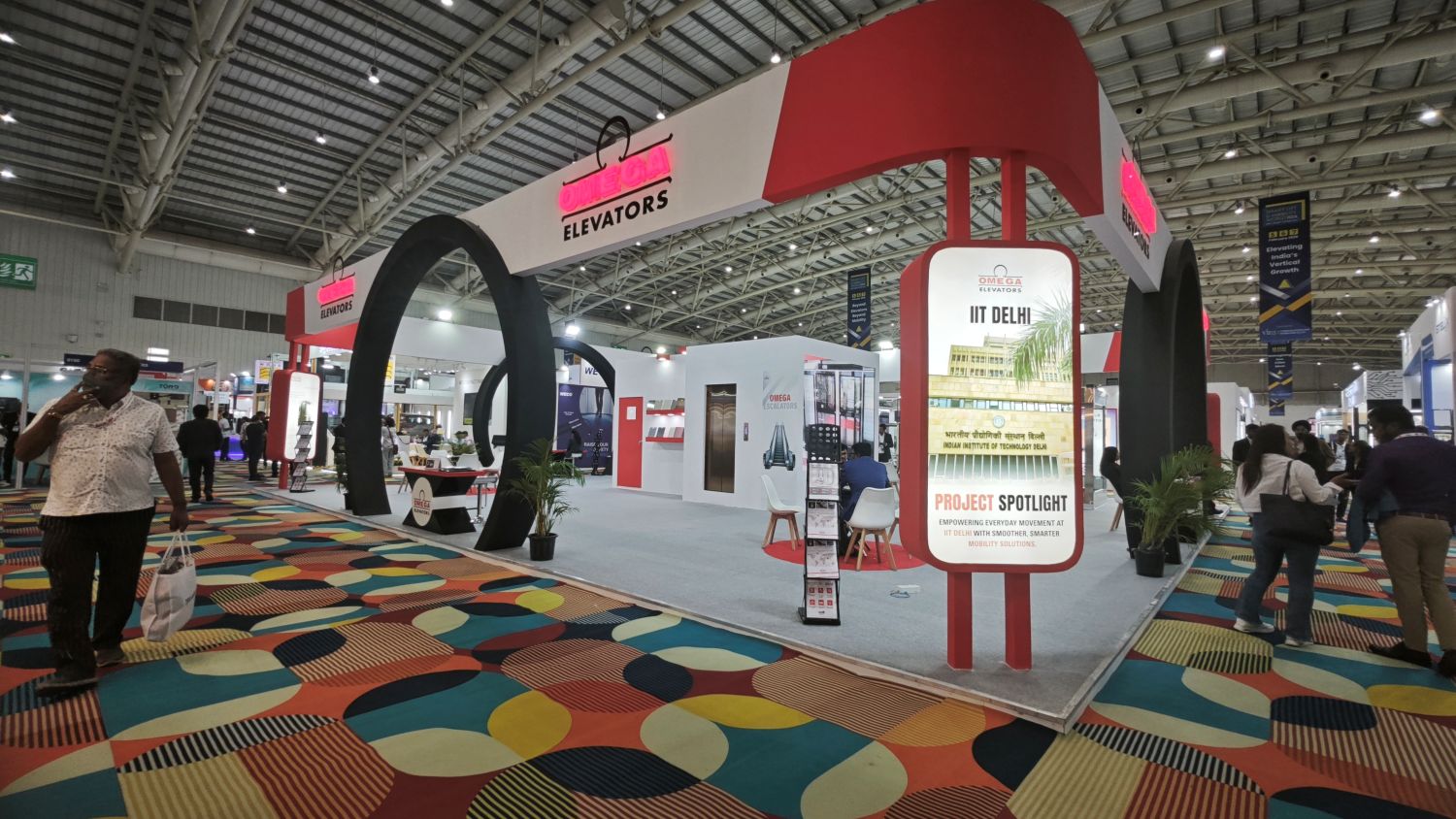
Figure 11: Booth of a well-known leading local Indian elevator brand
This major domestic Indian brand is a long-term key partner of Nidec and drew large crowds at the exhibition. It has been supplied steadily with three series of Nidec traction machines: the WR-D series with disc brakes, the WJC series with block brakes and the WTY series with drum brakes. Backed by these products, the customer rapidly expanded its market share and grew into one of India’s top two indigenous elevator brands. Thanks to stable and reliable quality, Nidec traction machines have stood rigorous market tests and won widespread recognition among end users.
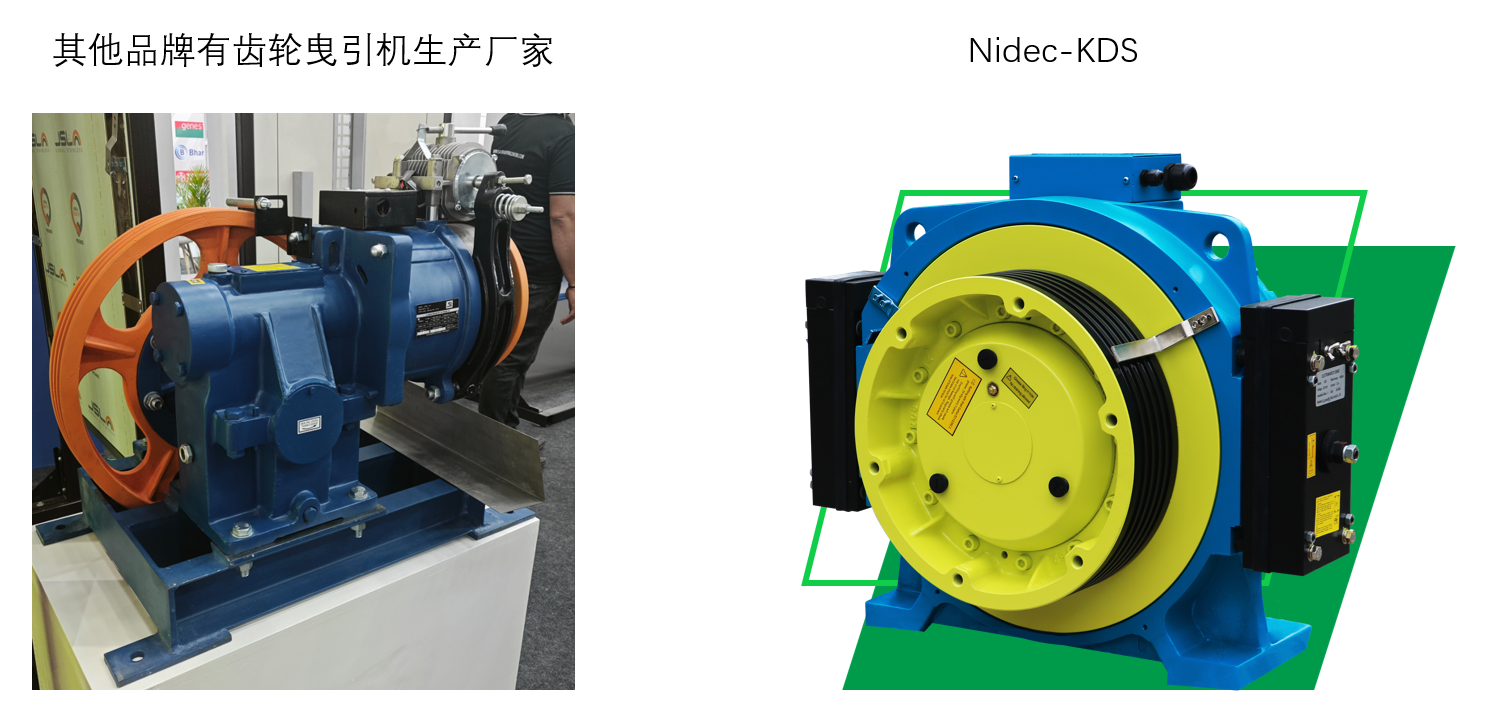
Figure 12: Comparison between traction machines from other brands and Nidec products
Traction machines from various manufacturers were displayed side by side at the exhibition, presenting a market landscape with multiple technical routes coexisting. Some manufacturers still produce geared traction machines. Dependent on gear reduction mechanisms, such products generate mechanical losses during power transmission; meanwhile, they feature complicated structures, relatively high operating noise and high long-term maintenance costs.
In contrast, Nidec has consistently focused on the R&D and application of gearless permanent magnet synchronous traction machines. While geared traction machines still occupy a certain market share amid cost-oriented projects in India, gearless models are evolving into the mainstream option along with the growth of high-rise buildings and infrastructure projects, now accounting for roughly 60% to 70% of newly installed elevators.
By eliminating gear transmission structures to realize direct drive between the motor and traction system, gearless traction machines greatly boost transmission efficiency and energy performance. They also deliver superior overall performance in structural compactness, smooth running, noise control and long-term maintenance expenditure, perfectly aligning with the industry trend toward high efficiency, energy conservation and low maintenance costs.
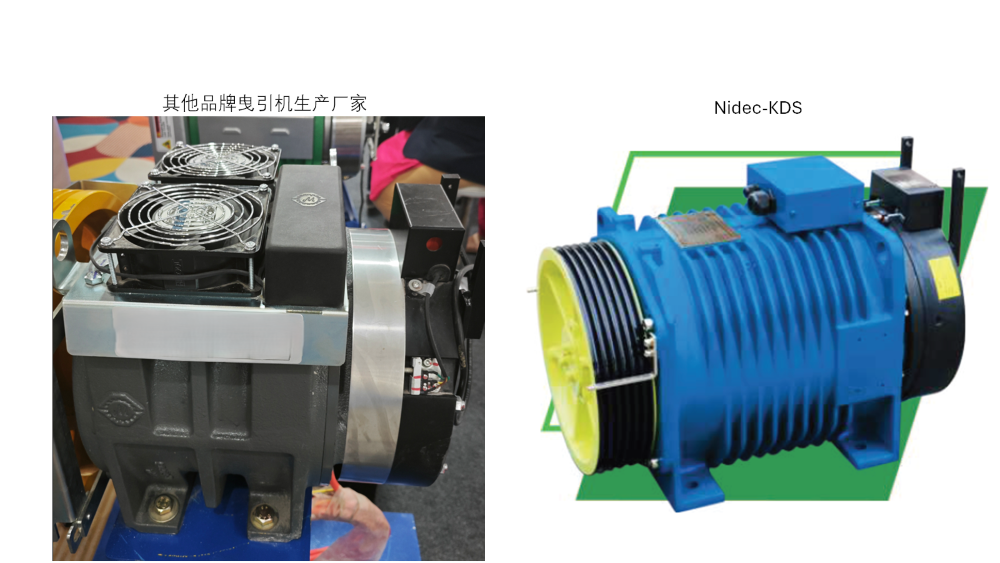
Figure 13: Comparison between traction machines from other brands and Nidec products
Even among gearless permanent magnet synchronous traction machines, different brands adopt distinct technical designs in motor layout, braking systems and heat dissipation structures. Horizontal comparison reveals clear gaps in design priorities across suppliers. Nidec prioritizes stability and durability under harsh working conditions and invests heavily in structural optimization and reliability engineering.
For example, products from a competing brand adopt fan-assisted cooling, which requires independent power supply for fans and leads to extra energy consumption and wind noise. Their service life relies entirely on fan performance, which tends to deteriorate due to dust accumulation and aging. By contrast, Nidec’s WR-D series adopts substantial integrated cooling ribs for passive self-heat dissipation. Boasting robust construction and quieter operation, it eliminates fan cleaning and replacement work, adapts well to dusty, oily and other harsh environments, and cuts long-term maintenance burdens significantly.
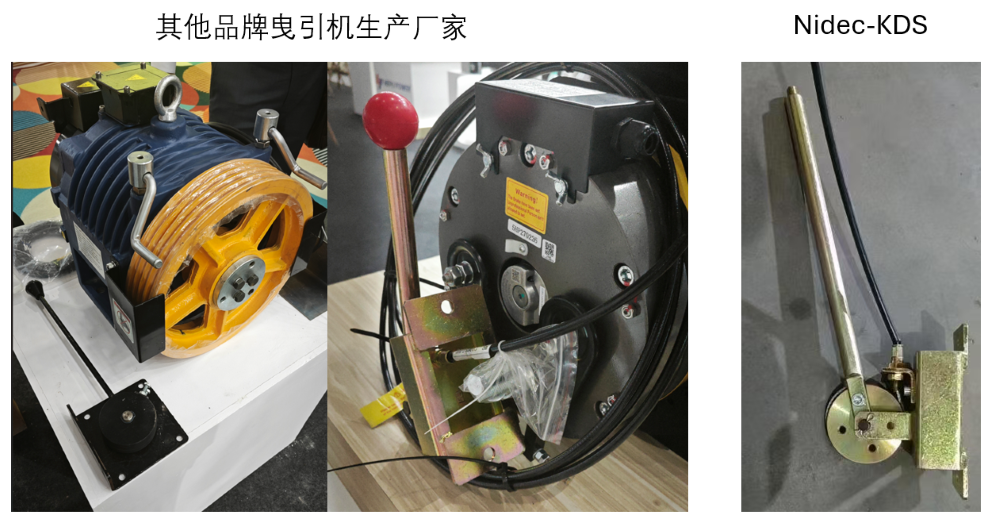
Figure 14: Traction machines from other brands vs. Nidec products; Nidec’s remote brake release device features thicker materials and higher structural rigidity
Product discrepancies lie not only in structural design but also in material details. The pull rods of remote brake release devices used by some local Indian manufacturers are too short, compromising operational stability, triggering potential safety risks and lowering the efficiency of emergency rescue. In comparison, Nidec equips its traction machines with robust, properly sized remote brake release devices to guarantee efficient operation during emergency rescue scenarios.
Part 5 Conclusion: Deep-rooted Development in Incredible India
India’s elevator market is witnessing explosive growth driven by urbanization dividends and favorable policy support. Infrastructure expansion and the thriving residential elevator sector jointly raise higher requirements for technological iteration of traction machines.
With profound insights into local Indian demands, Nidec has built a full-spectrum product portfolio. For high-standard projects such as airports and metros, the WTY1 series strikes an optimal balance of outstanding performance, reliability and cost-effectiveness, making it the preferred option for leading local elevator manufacturers bidding for Indian railway projects. In the booming residential and villa market, the compact and flexibly configurable WR-D and WJC series help developers cut construction costs and improve space utilization to meet diversified needs.
Strong visitor turnout at the exhibition and long-term partnerships with top-tier local Indian elevator brands validate Nidec’s differentiated strengths in reliability, energy efficiency and premium material standards. With the official launch of Nidec’s elevator motor manufacturing base in India, we will leverage a shortened service radius and a comprehensive technical support system. We aim not only to participate in the Make in India initiative, but also to emerge as a pacesetter setting benchmarks for high-quality traction machines across India.
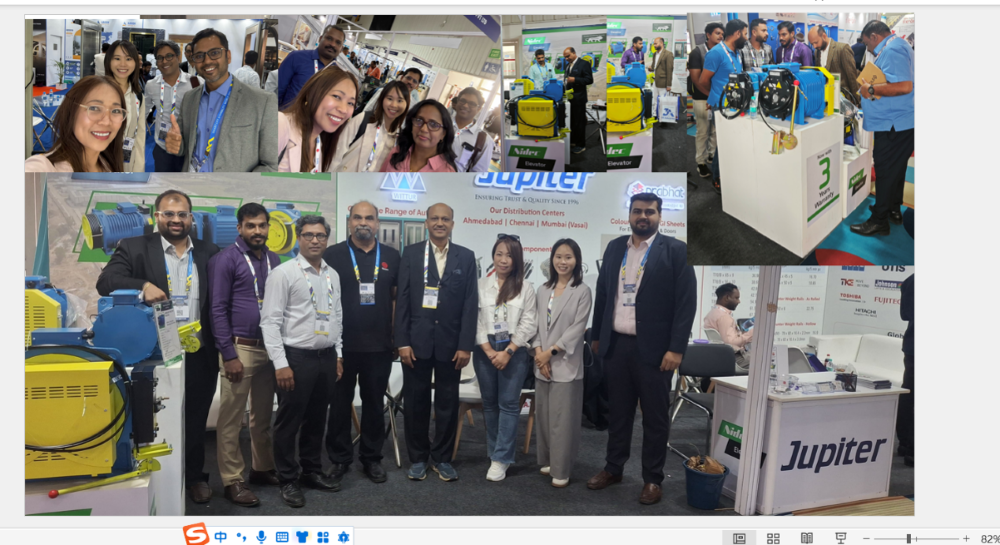
Figure 15: Group photo of Nidec elevator team and its Indian agent
News Recommendations

The "Three Transformations" of Nidec KDS (Kinetek De Sheng)
2026-07-29
Meeting "Ni" | Nideco Elevator Components Make Debut at 2026 China International Elevator Exhibition
2026-06-20
Nidec Elevator Components Guangde Co., Ltd. Grandly Opens, Empowering Global Intelligent Manufacturing Upgrade for Core Elevator Components
2026-06-20
New Opportunities on the Silk Road: Exploring Kazakhstan's Elevator Market
2026-06-20
Nidec Ultra-Thin Machine Retrofit Solution
2026-03-21