
Language

Product Search
Language
- English
- 简体中文
- Тоҷикӣ
- O'zbek
- Español
- Português
- русский
- Français
- 日本語
- Deutsch
- tiếng Việt
- Italiano
- Nederlands
- ภาษาไทย
- Polski
- 한국어
- Svenska
- magyar
- Malay
- বাংলা ভাষার
- Dansk
- हिन्दी
- Pilipino
- Türkçe
- Gaeilge
- العربية
- Indonesia
- Norsk
- تمل
- český
- ελληνικά
- український
- Javanese
- فارسی
- தமிழ்
- తెలుగు
- नेपाली
- Burmese
- български
- ລາວ
- Latine
- Қазақша
- Euskal
- Azərbaycan
- Slovenský jazyk
- Македонски
- Lietuvos
- Eesti Keel

Company News
Nidec Ultra-Thin Machine Retrofit Solution
2026-03-21Introduction
Elevators are special equipment with a defined service life and lifecycle. After decades of development, the renewal and retrofitting of elevator equipment has become increasingly prevalent. To maintain or enhance elevator speed and quality through retrofitting, we offer a variety of solutions.
I. Scenarios for Old Elevator Retrofit Demand:
1. Old elevators eligible for government retrofit subsidies.
2. High-end elevators installed before 2014.
3. Old elevators ineligible for national debt projects.
4. Elevators with intact main structures but poor ride comfort and frequent minor malfunctions.
II. Market Opportunities for Ultra-Thin Machine Retrofit
Ultra-thin traction machines have been applied in the domestic machine-room-less elevator market for over 20 years. Feedback from elevator maintenance companies highlights pain points such as high operational noise, premature bearing aging, a wide range of models, and complex on-site construction. These issues cause long-term troubles for both property owners and maintenance providers, while also driving a large-scale, high-precision demand for retrofit replacements, presenting significant stock market dividends.
III. Core Challenges in Ultra-Thin Machine Retrofit
1. Dimensional Compatibility: It is difficult to meet the stringent installation dimensions of the original ultra-thin machines. Mismatches in installation dimensions and sheave specifications between the replacement machine and the original unit lead to extensive on-site modifications, increasing construction difficulty and risks.
2. System Compatibility: Poor compatibility between mainstream control systems and the machine's electromagnetic design and encoders. Post-retrofit issues such as elevator jitter and abnormal noise often persist, hindering acceptance by property owners.
3. Incomplete Model Coverage: Mainstream ultra-thin machines on the market cover loads from 400kg to 2000kg and speeds from 1m/s to 4m/s. A full-range product line is required to address diverse project requirements.
4. Labor-Intensive Construction: Traditional retrofits involve on-site cutting and welding, resulting in long construction periods, high costs, and severe disruptions to building operations.
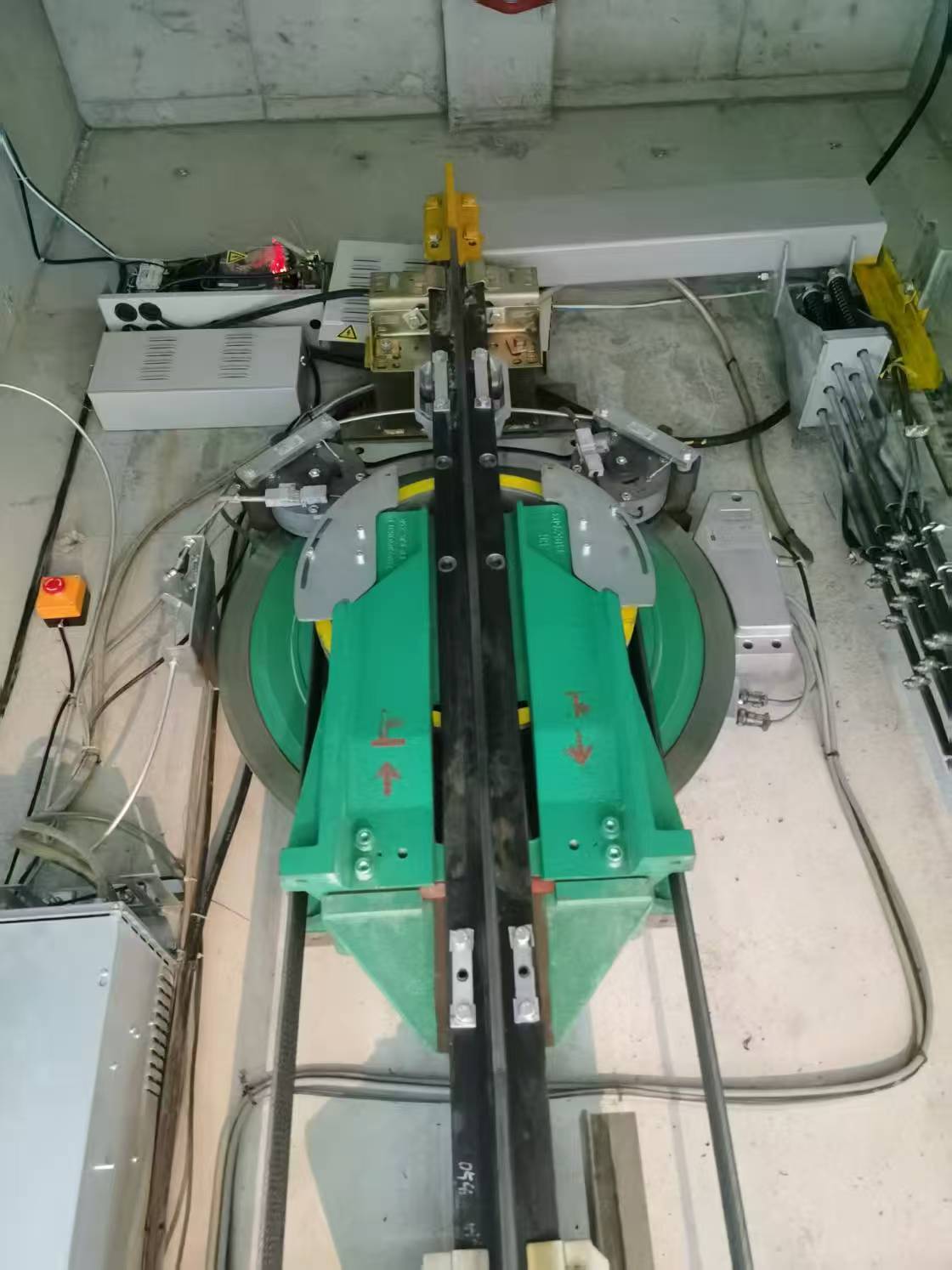
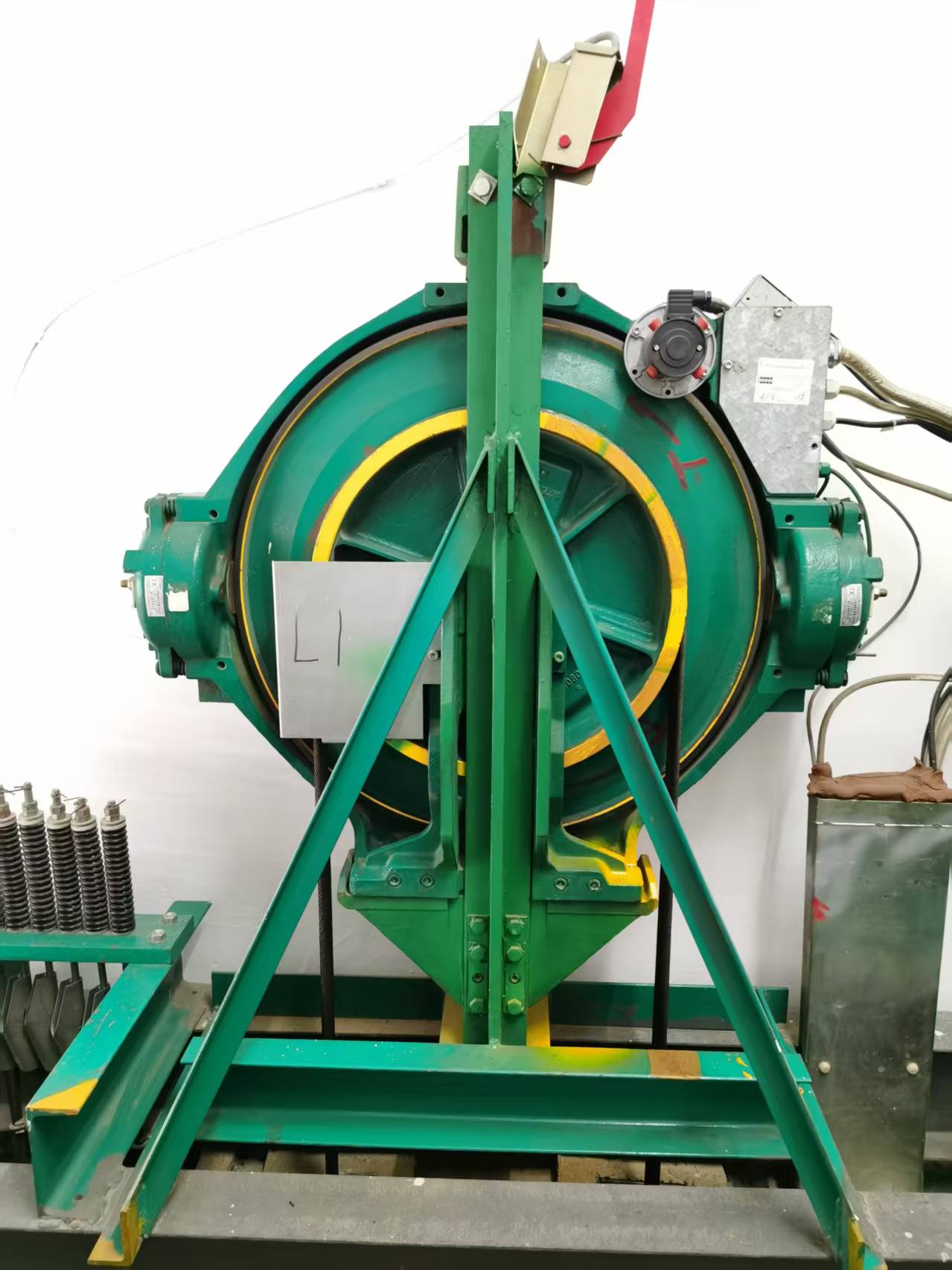
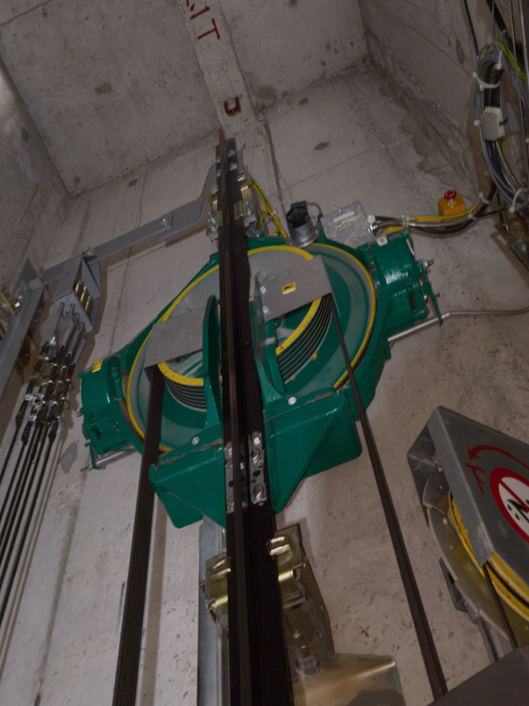
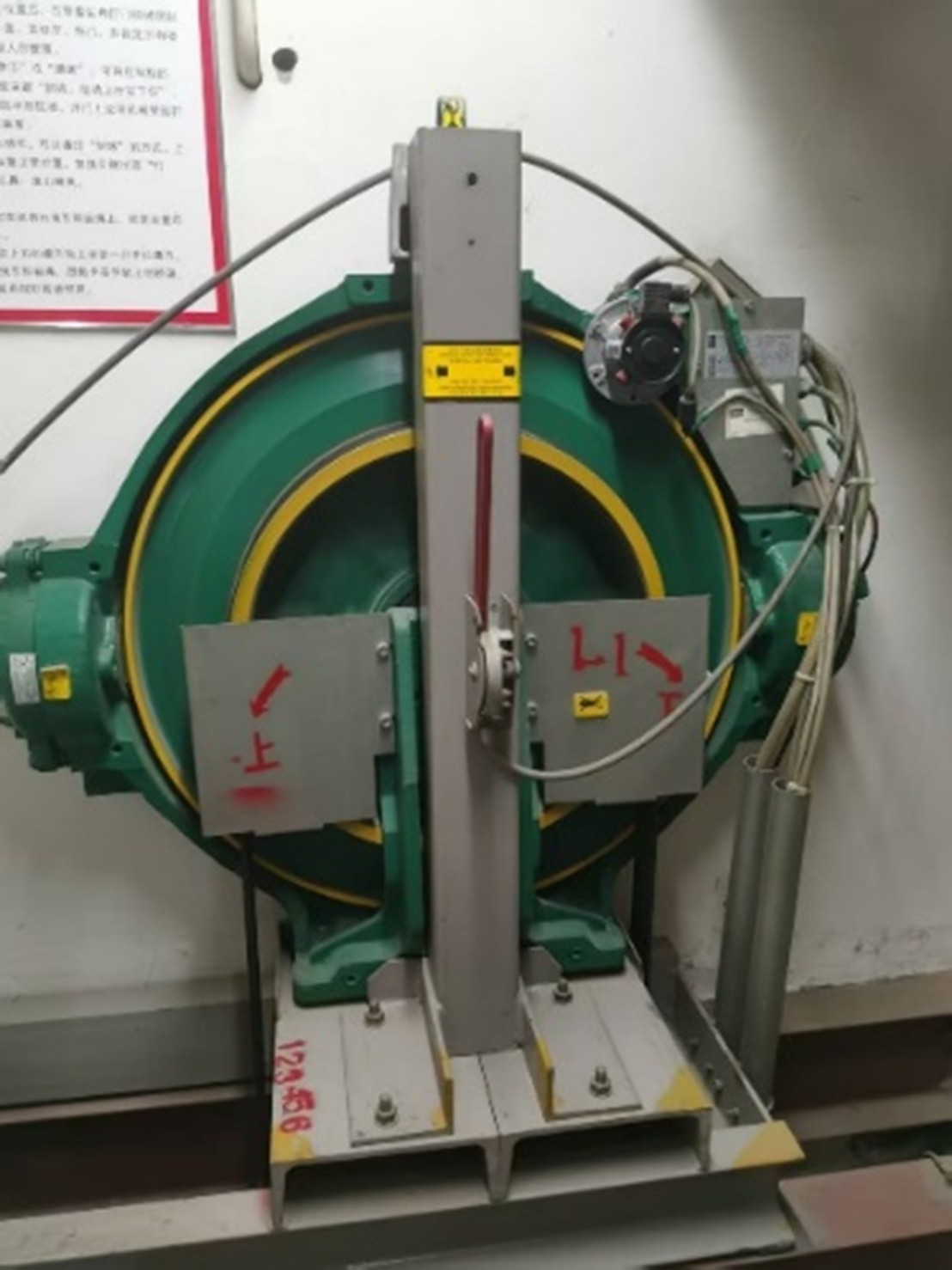
IV. Inadequacy of Standard Ultra-Thin Machine Solutions
While ultra-thin models offer high space utilization, they are primarily designed as original equipment for new elevators. Their compatibility is insufficient for old elevator retrofits. Selection must be cautious based on shaft conditions, and they are not recommended as a universal replacement solution.
V. NIDEC Adaptive Retrofit Solution
Leveraging mature experience in the U.S. elevator retrofit market (with a market share exceeding 60%) and its proprietary R&D and manufacturing capabilities, NIDEC has launched a dedicated retrofit solution for ultra-thin machines, precisely matching global market demands:
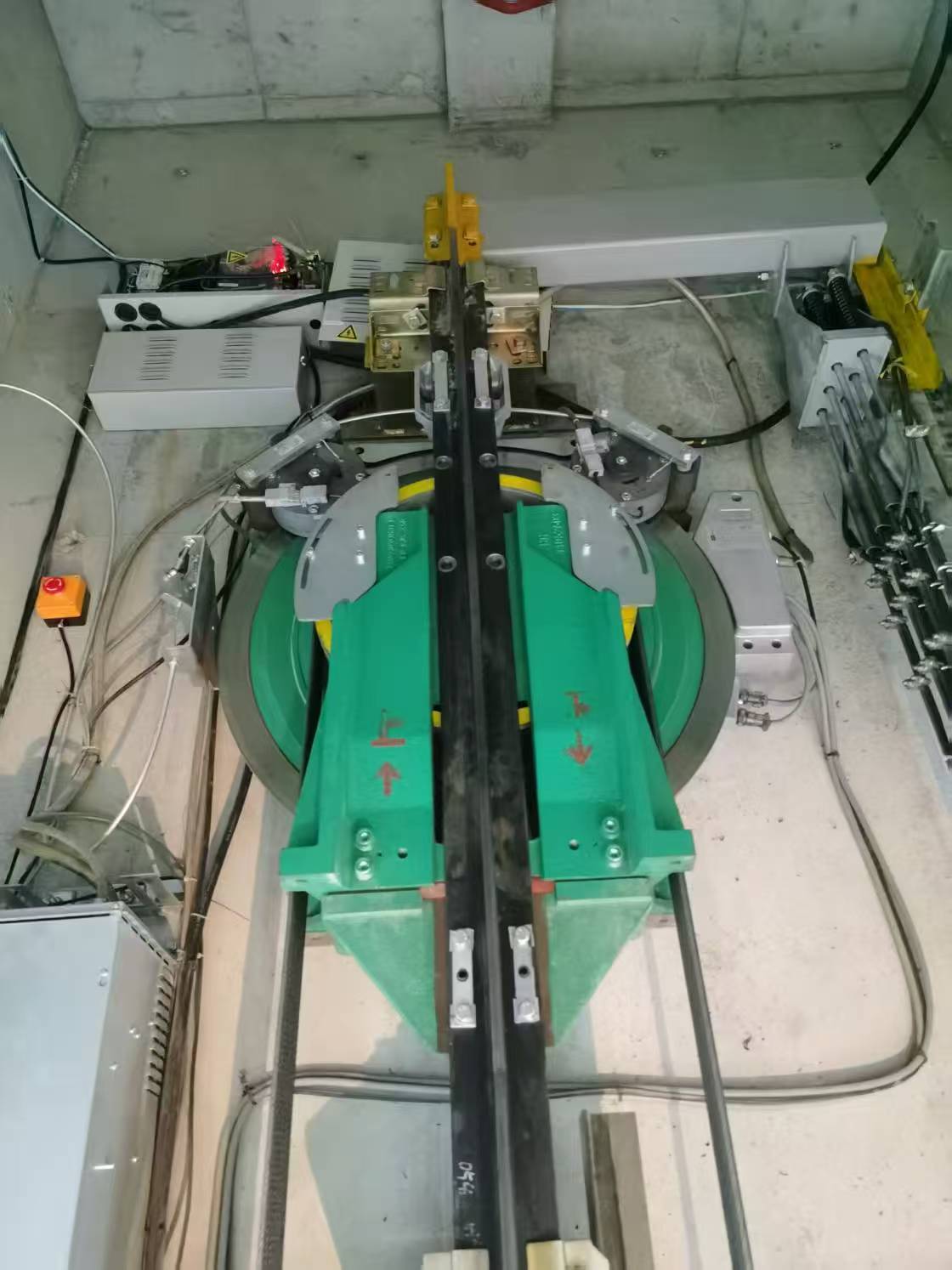
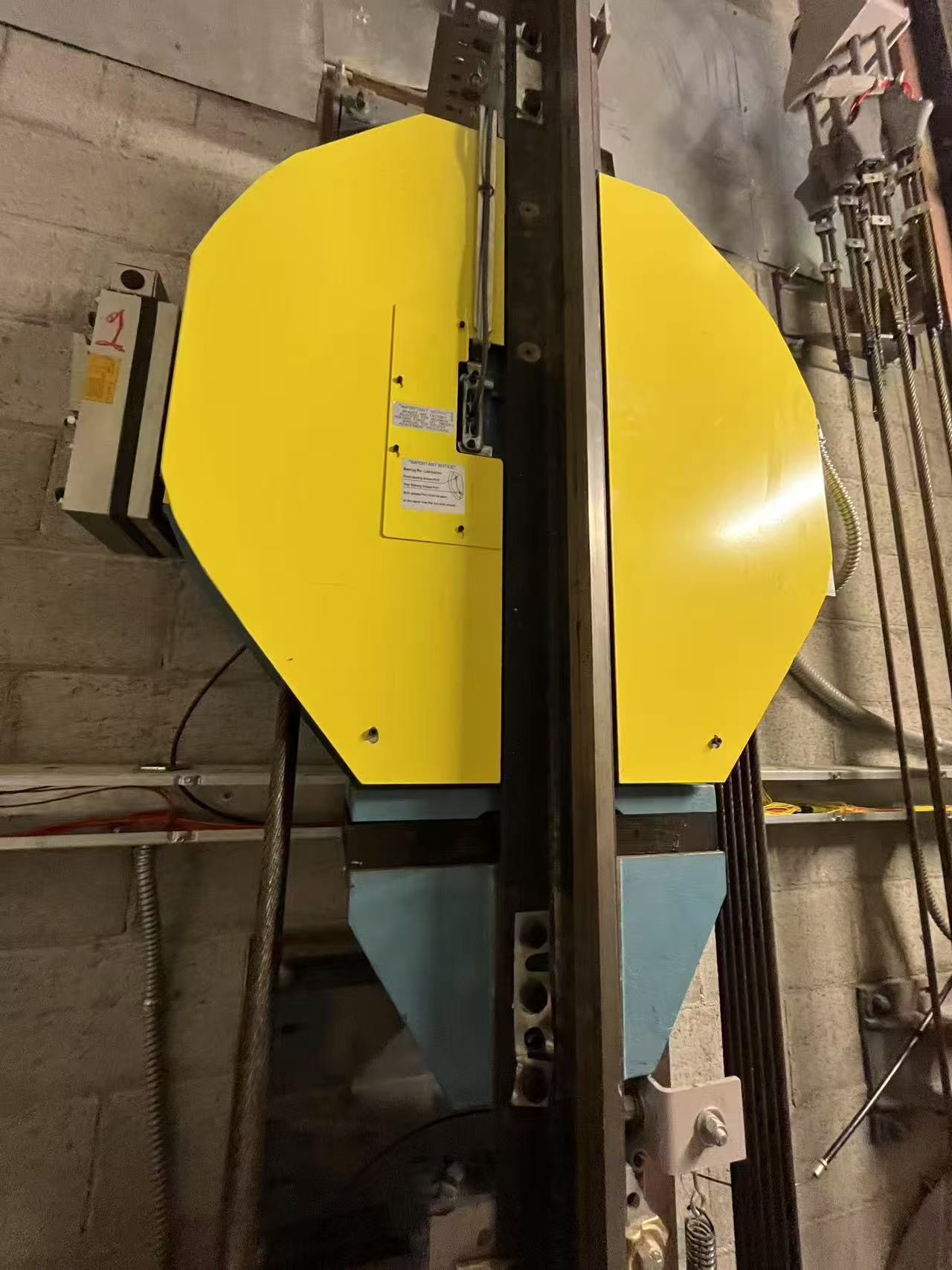
1. Dimensional Reuse & Component Commonality: The machine's installation dimensions, sheave diameter, groove count, and specifications are identical to the original unit. Wire ropes and sheaves can be directly reused, reducing construction difficulty, risks, and costs.
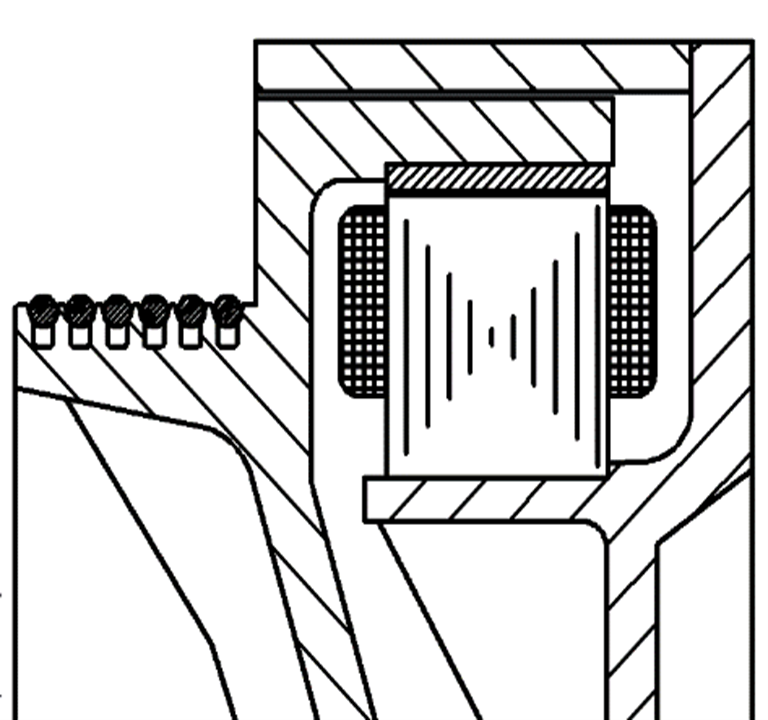
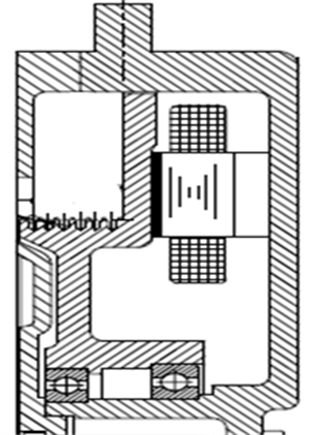
2. Structural Optimization: Featuring a radial magnetic field design (distinct from conventional axial magnetic field solutions), it effectively reduces bearing wear and extends service life.
3. Control System Matching: Equipped with a standard sine-cosine encoder for superior system compatibility. Optimizes the operation curve to minimize vibration, noise, and abnormal sounds, significantly enhancing ride comfort. Supports both front and rear mounting structures to adapt to various on-site electrical layouts.
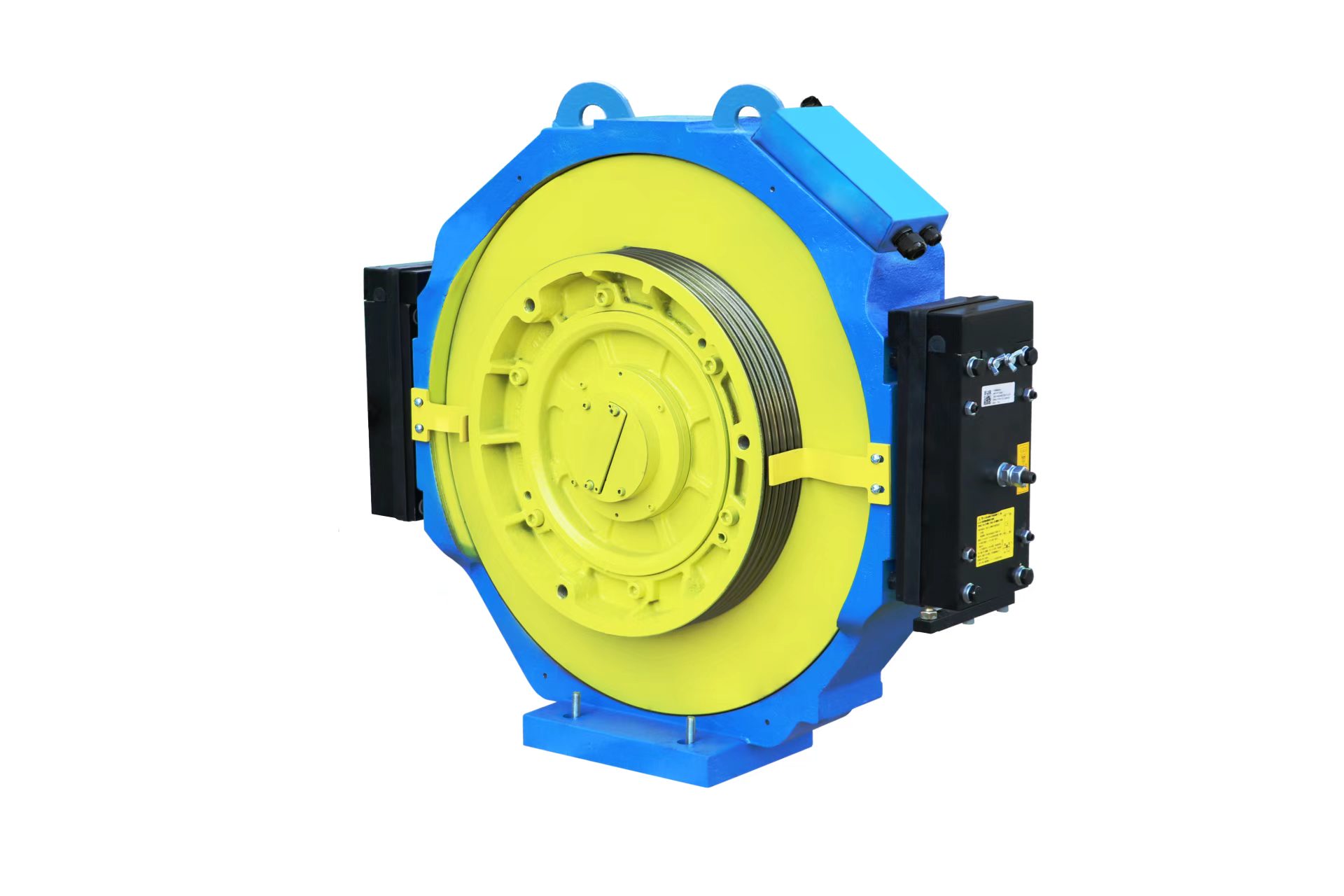
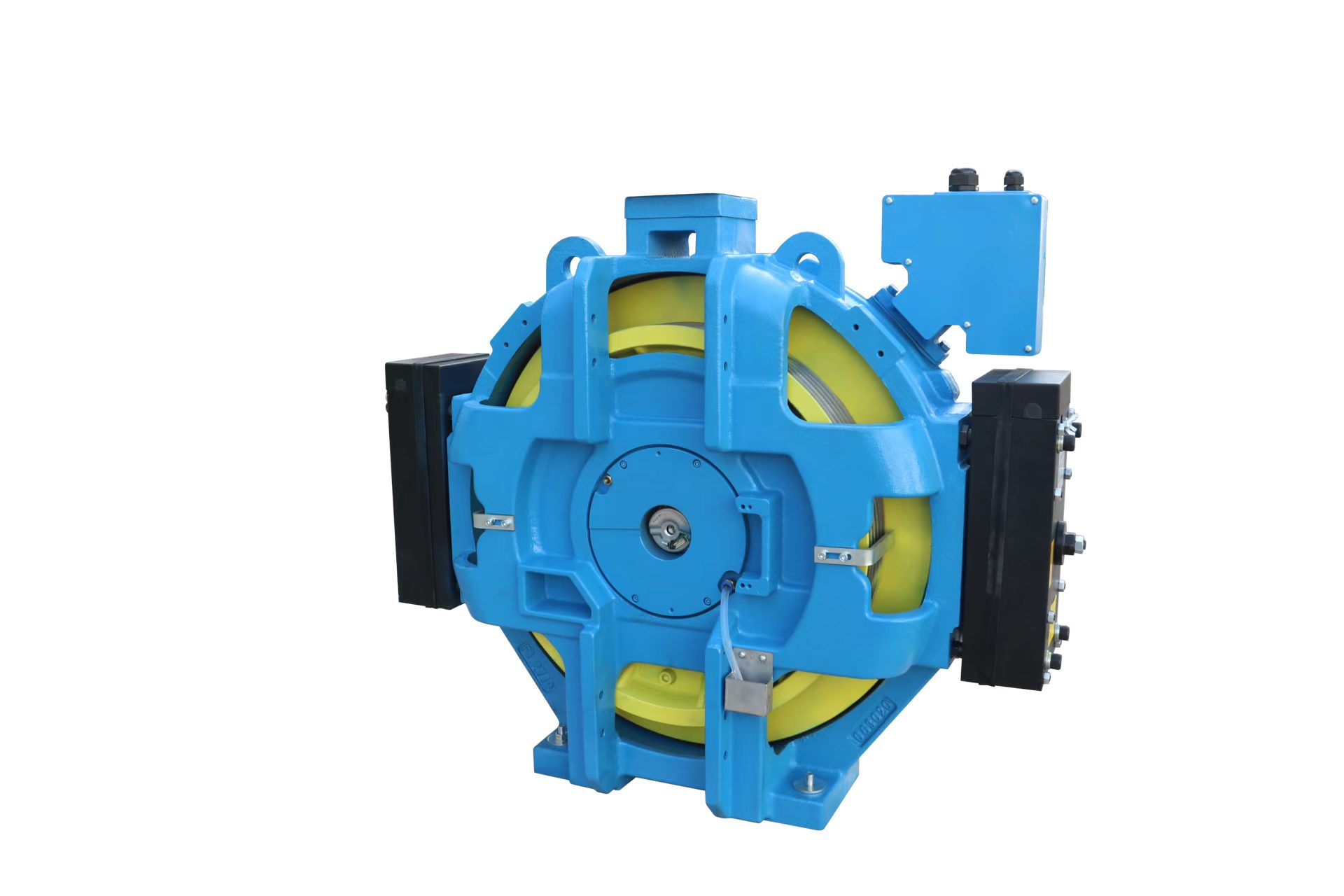
4. Structural Compatibility: Suitable for both machine-room and machine-room-less installations, covering loads from 450kg to 2000kg and speeds up to 3m/s.
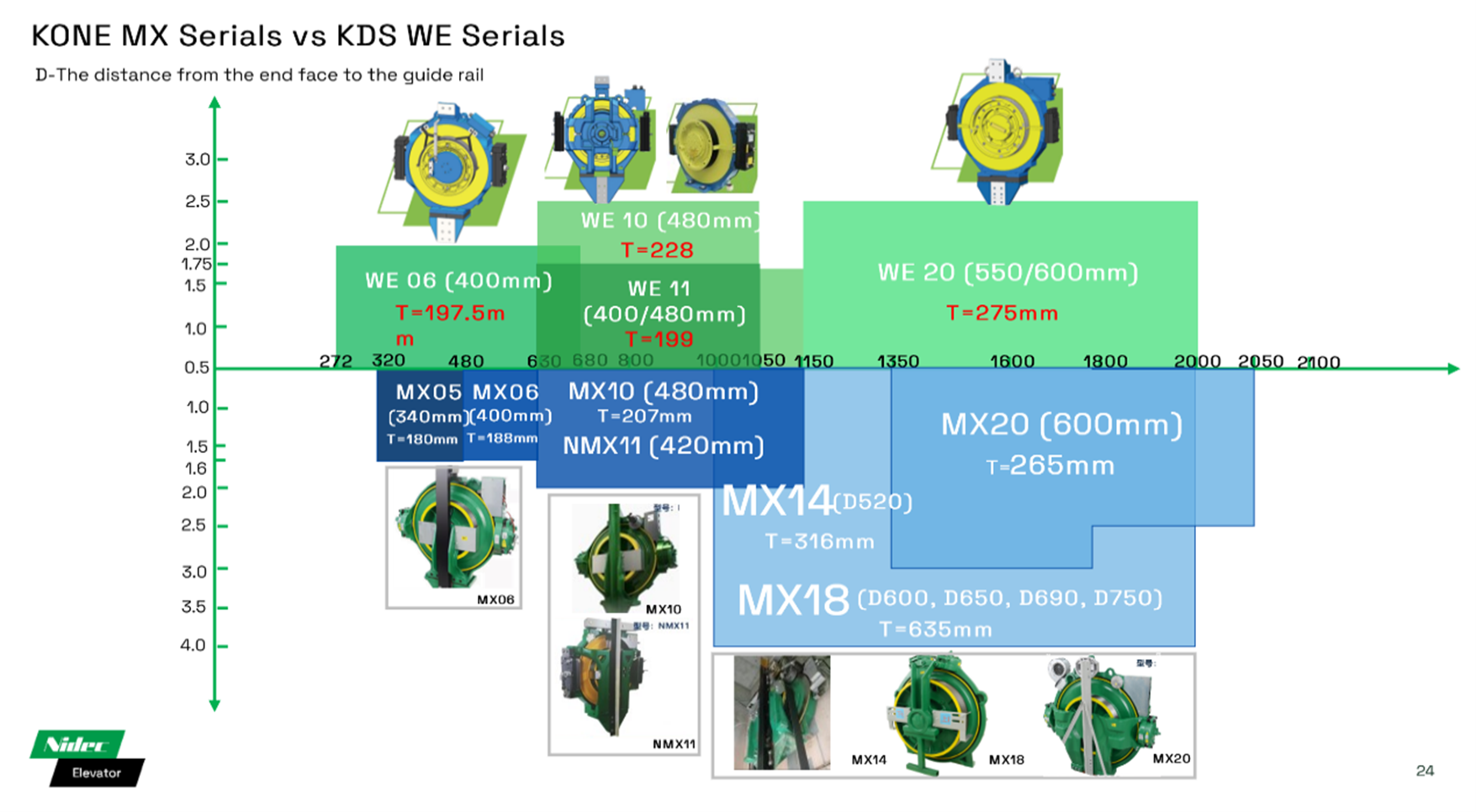
5. Simplified Construction: Retains original shaft rail mounting holes, minimizing civil engineering modifications. This drastically reduces construction difficulty and duration, minimizing impact on property owners.
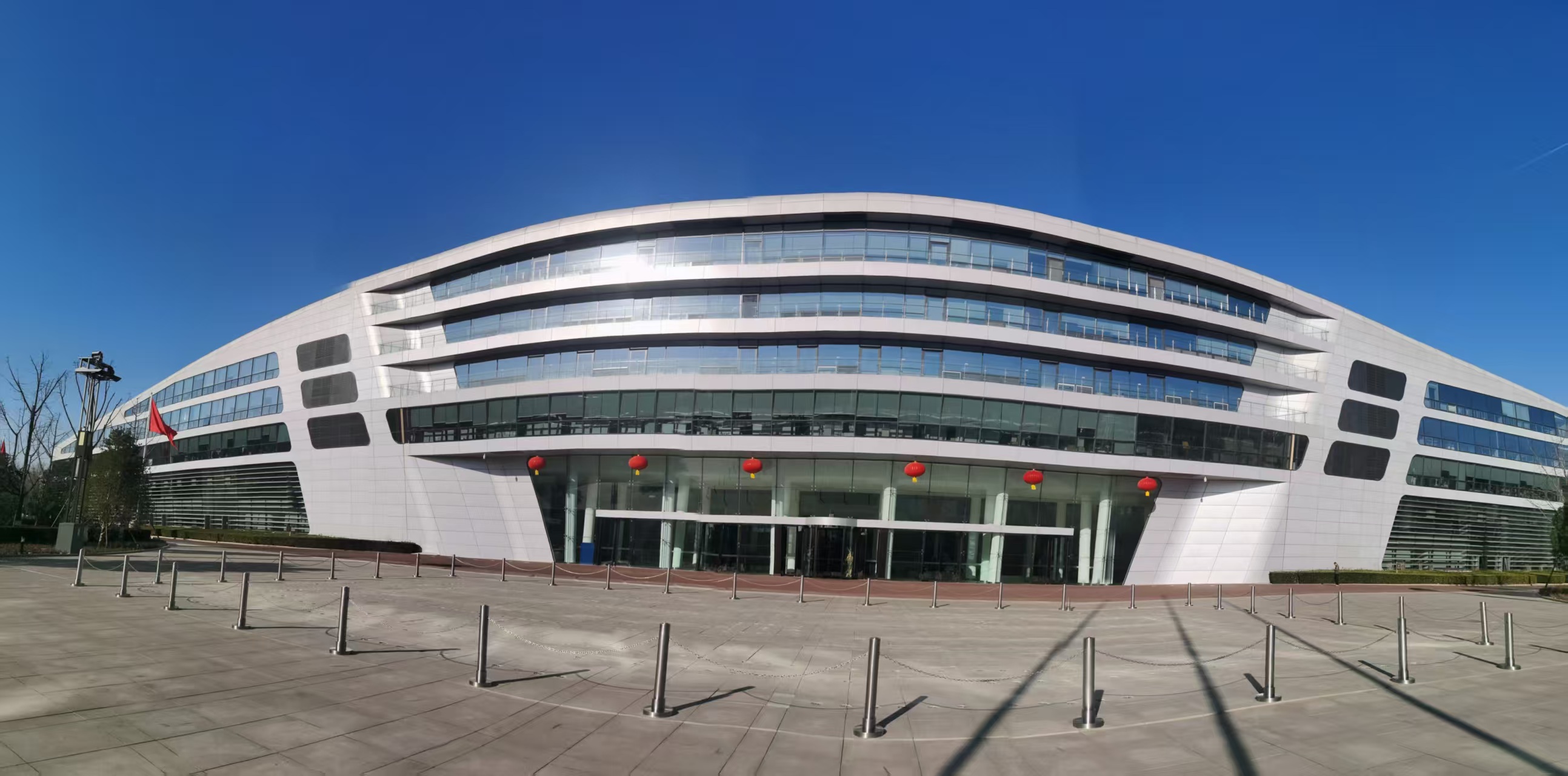
VI. Selected Application Cases:
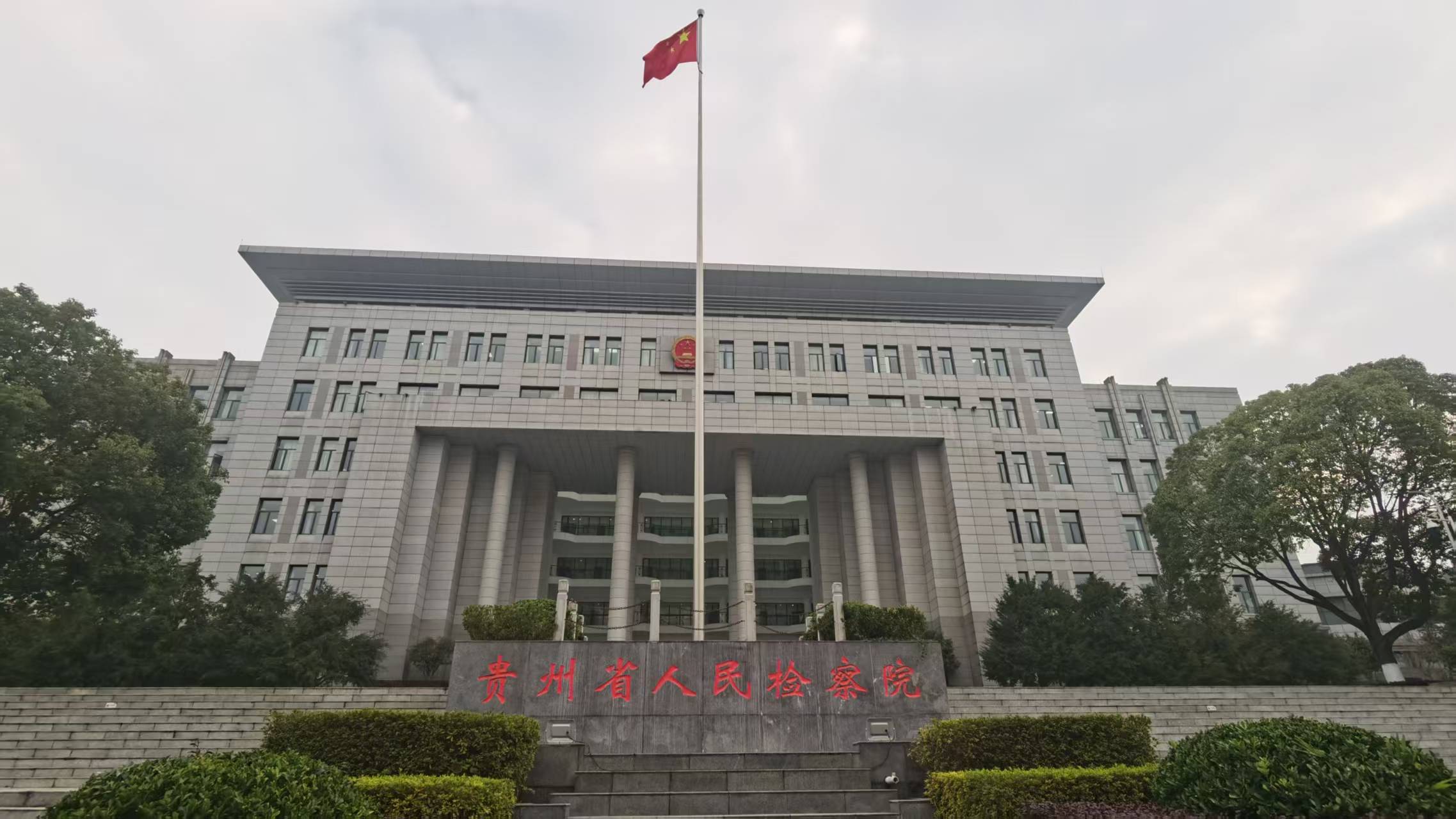
1. People's Procuratorate of Guizhou Province
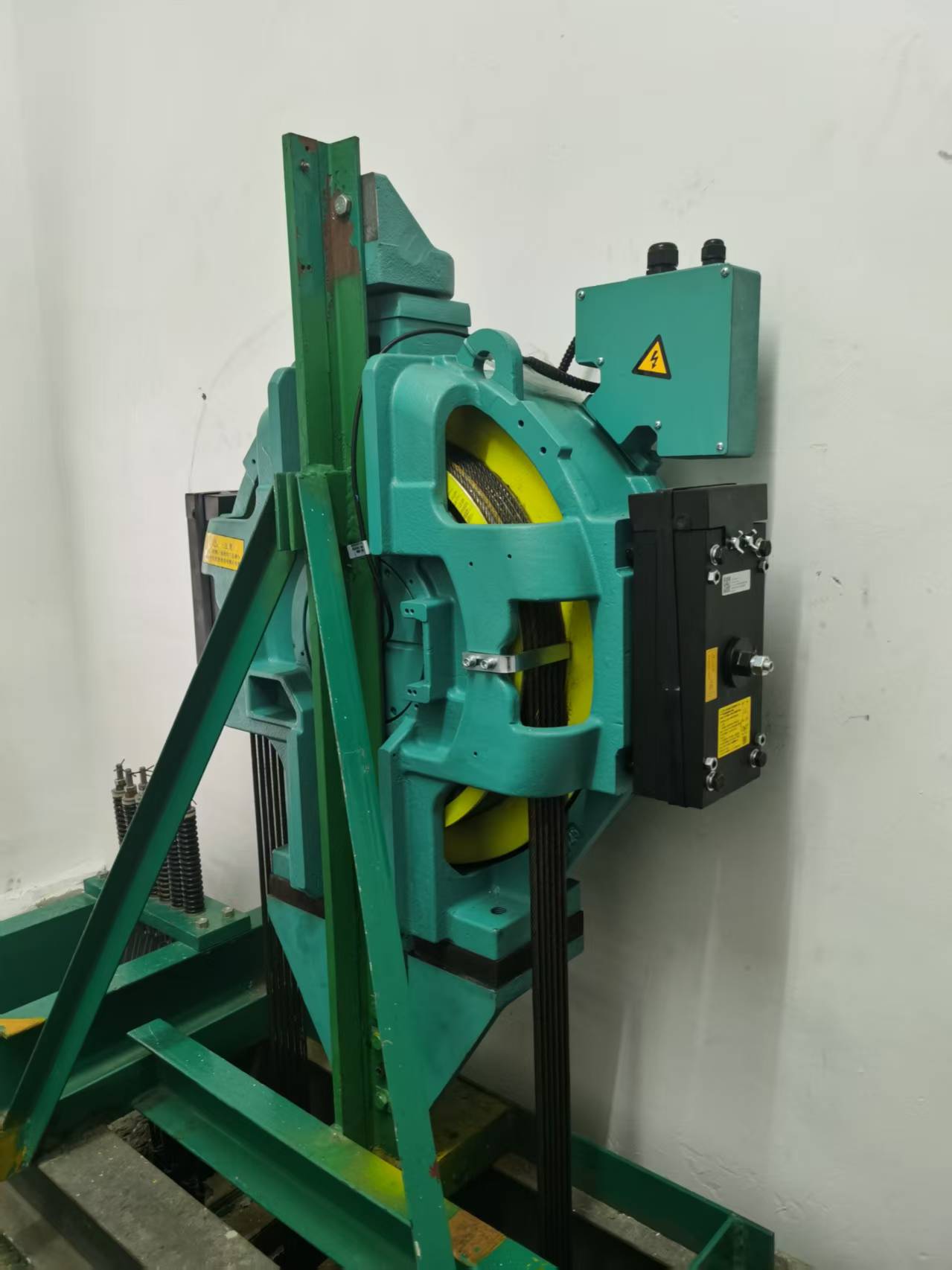
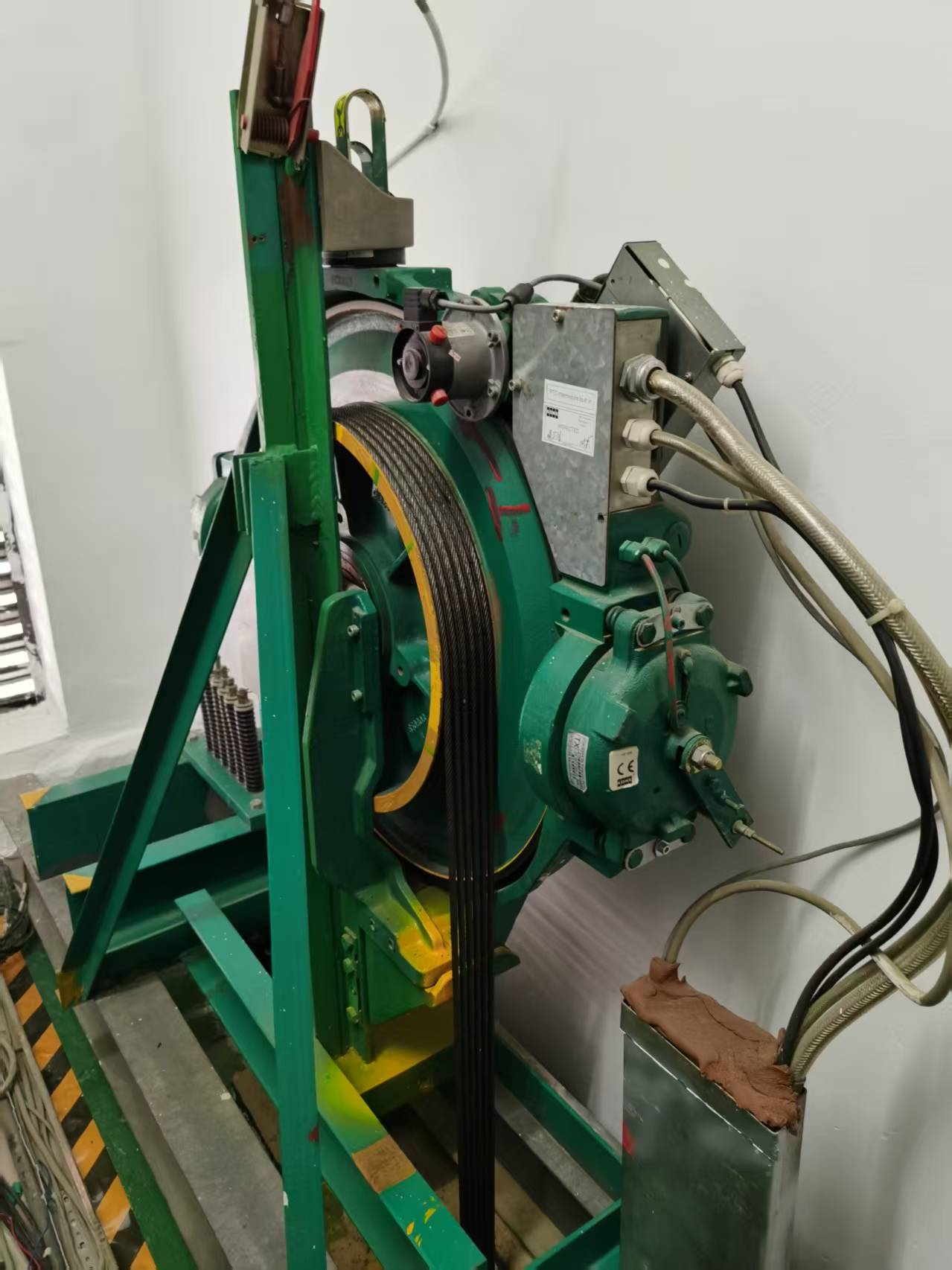
2. Bureau of Retired Cadres of Dongcheng District Committee of Beijing and Community Hospital
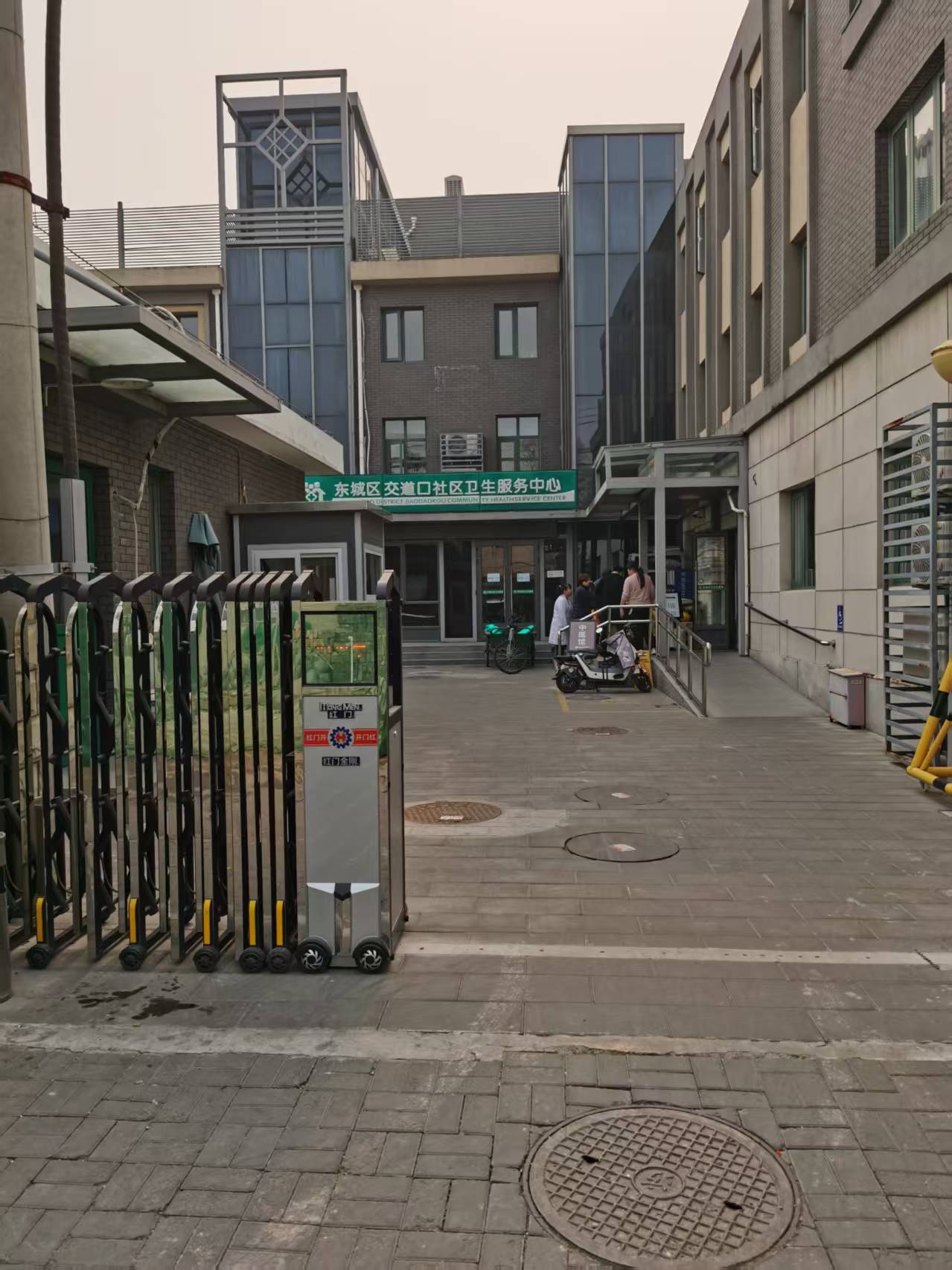
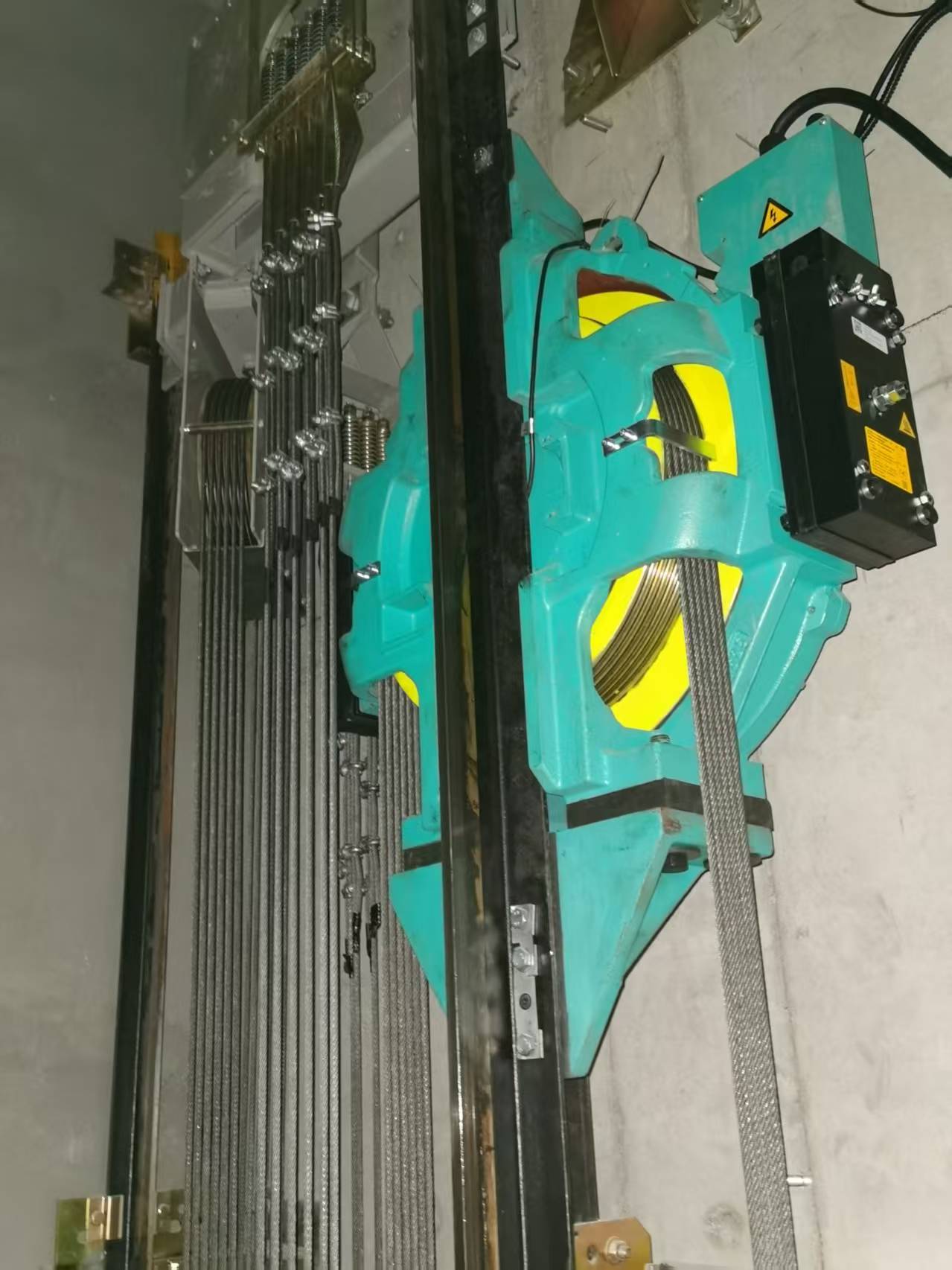
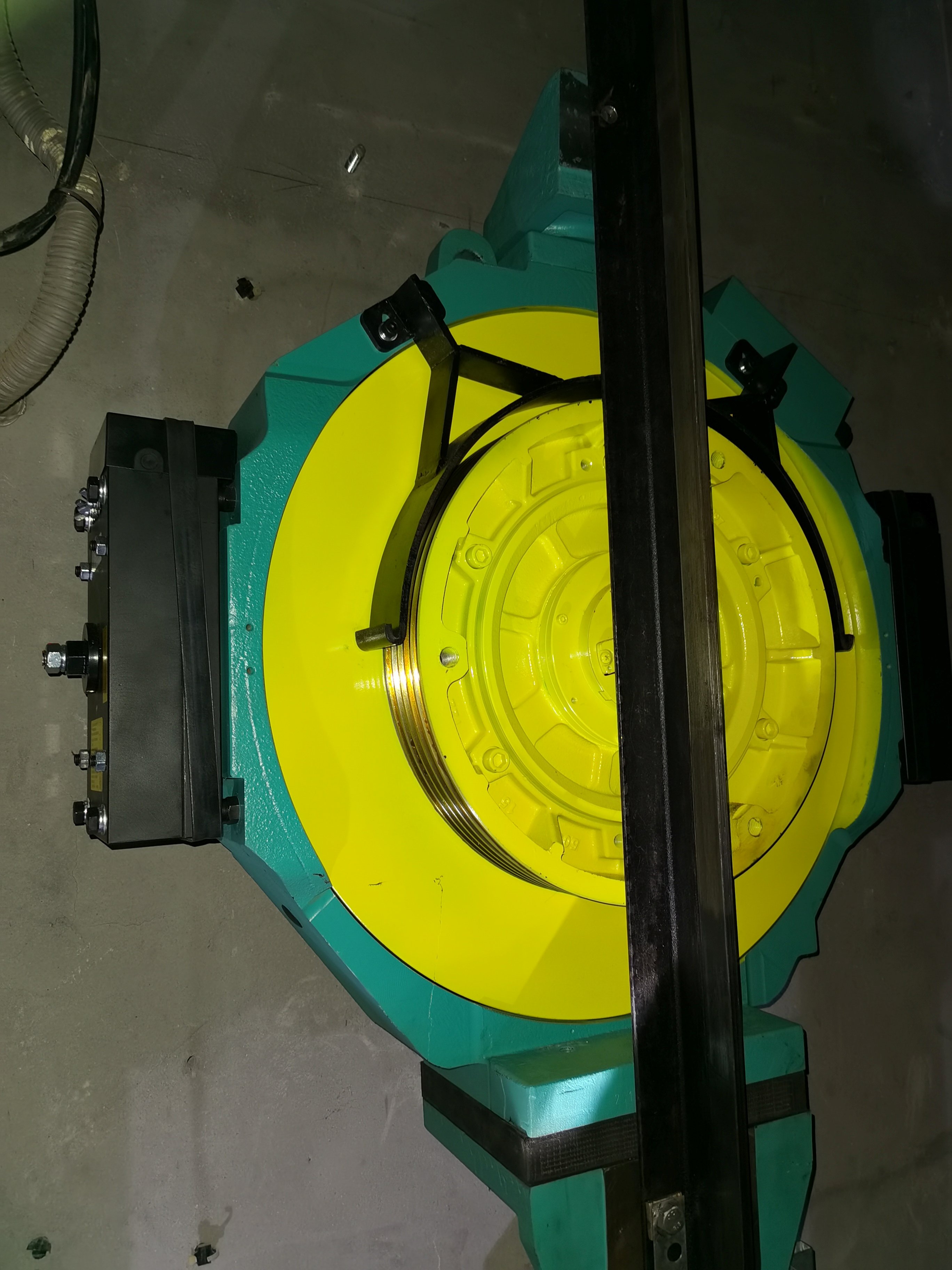
3. Beijing LAIJIN Cultural and Creative Industry Park
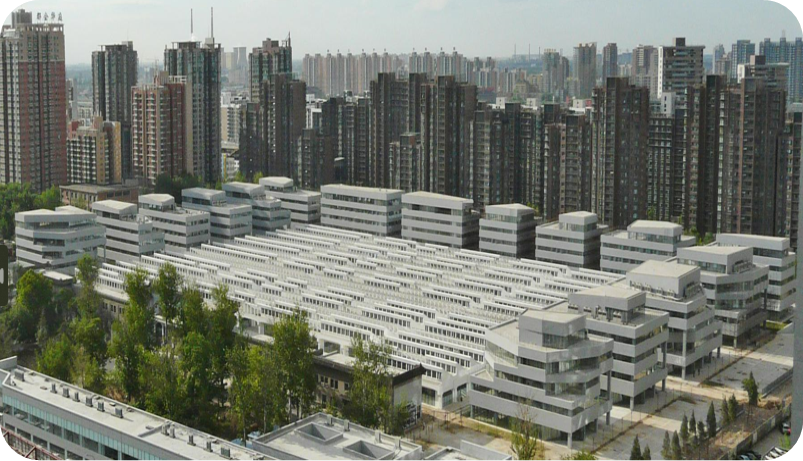
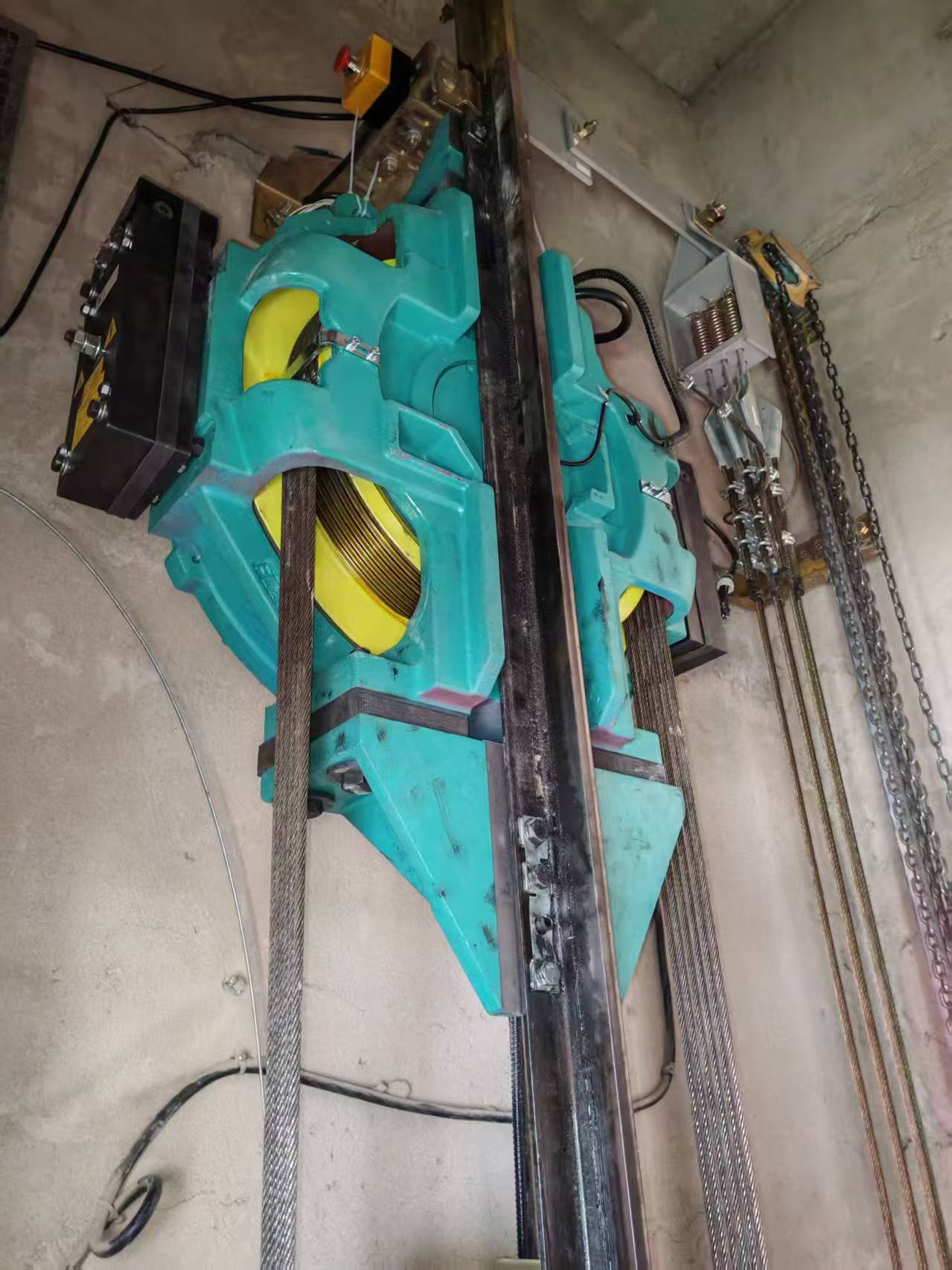
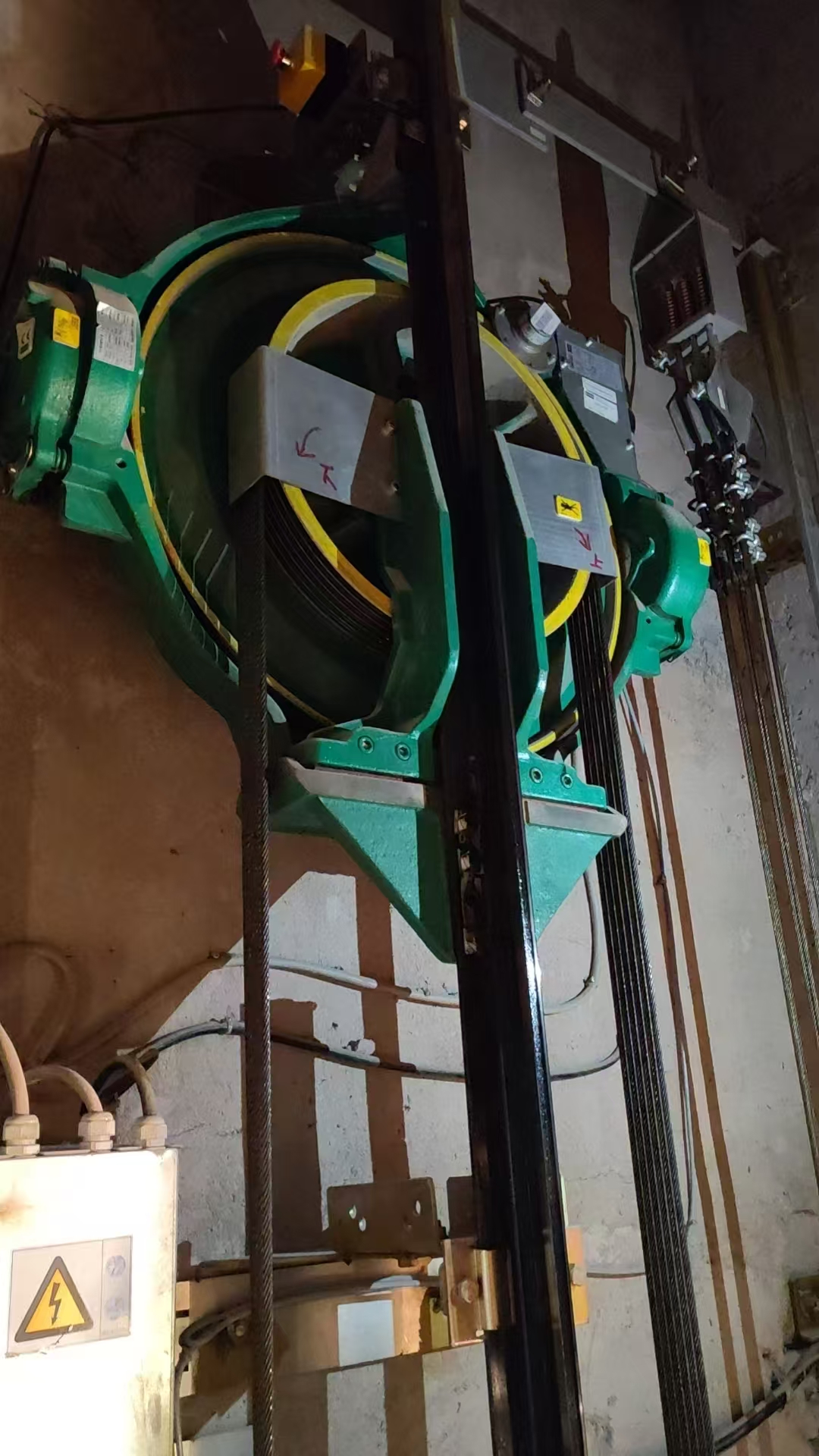
4. China Academy of Aerospace Aerodynamics (CAAA)
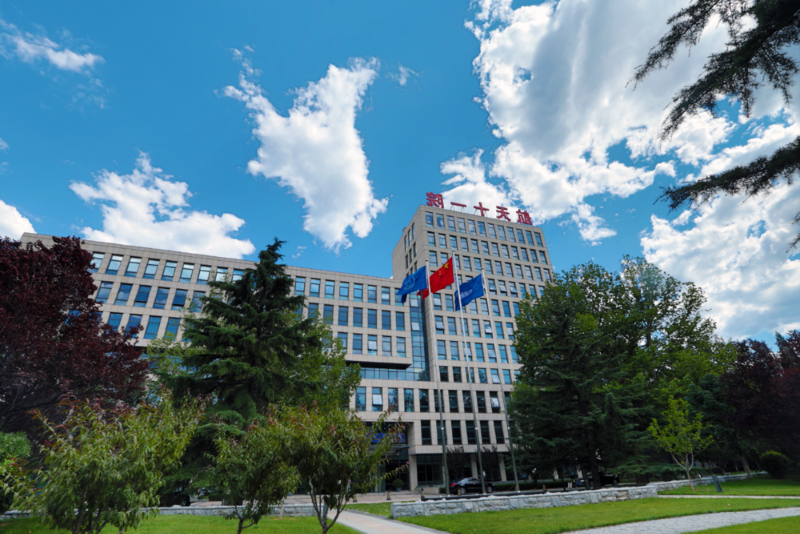
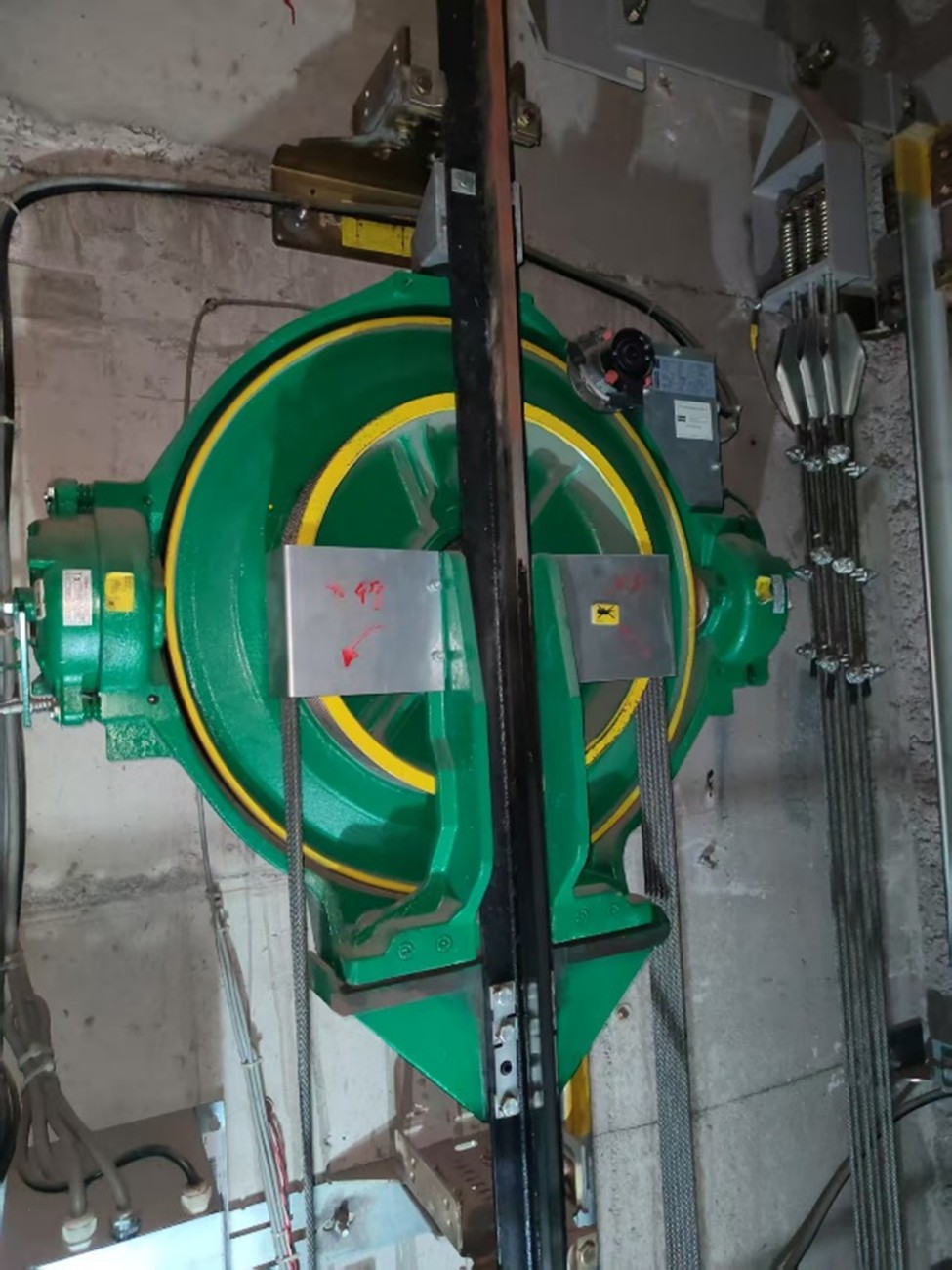
5. BAIC Motor R&D Center
News Recommendations
The "Three Transformations" of Nidec KDS (Kinetek De Sheng)
2026-07-29
Meeting "Ni" | Nideco Elevator Components Make Debut at 2026 China International Elevator Exhibition
2026-06-20
Nidec Elevator Components Guangde Co., Ltd. Grandly Opens, Empowering Global Intelligent Manufacturing Upgrade for Core Elevator Components
2026-06-20
New Opportunities on the Silk Road: Exploring Kazakhstan's Elevator Market
2026-06-20
Nidec Ultra-Thin Machine Retrofit Solution
2026-03-21